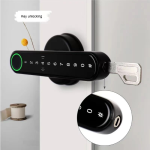
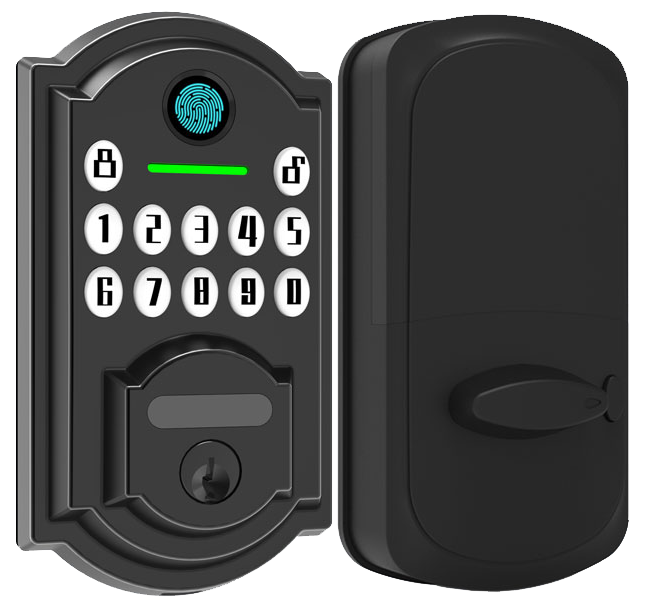
Have you ever stood at your patio door on a dark night, juggling a bunch of noisy keys? It’s a hassle. Our smart sliding door lock swaps out metal keys for a biometric fingerprint sensor (reader that scans your unique fingertip pattern), a simple PIN code, or a quick smartphone tap.
You’ll see a soft LED glow above the sensor. Then you hear a reassuring click. And the door slides open, hands-free.
These sleek electronic sliders guard against tampering. Want to know a secret? It locks automatically after a set time for real peace of mind. Solid.
Connecting to Alexa or Google Assistant feels just like pairing headphones to your phone. Then you say “Unlock patio door” and it obeys. Really easy.
Smart Sliding Door Locks at a Glance
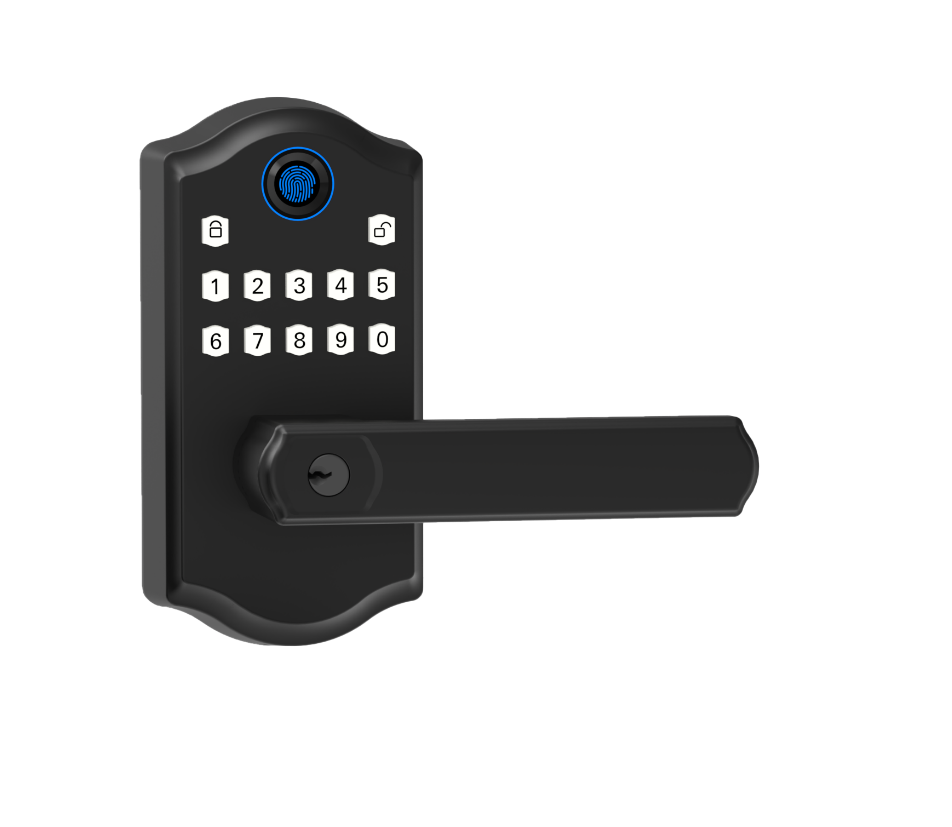
Smart sliding door locks swap your jangly key ring for a fingerprint sensor (reader that checks your unique fingertip pattern), PIN code, or smartphone app. You tap a little pad, feel the smooth metal faceplate, and hear a reassuring click as the door unlocks. No more fumbling in the dark at your patio door.
These locks pack robust tamper alerts that flash a soft LED glow if someone tries to force them. And with auto-lock mode, your door snaps shut behind you after a set time. It’s all wrapped in a sleek electronic slider package.
Connect to Alexa, Google Assistant, or Apple HomeKit like pairing your headphones to a phone. One voice command and your door slides open, hands-free. It’s seamless smart-home integration.
Want a quick install? Follow our simple DIY guide, think snapping together Lego, but for locks. You’ll have it up and running in under an hour.
In the sections ahead, we’ll look at materials and installation, connectivity and integration, price and value, security and encryption, plus customer pros and cons. Ready? Let’s dive in.
Starlight Smart Locks: Leading Smart Sliding Door Lock Solutions
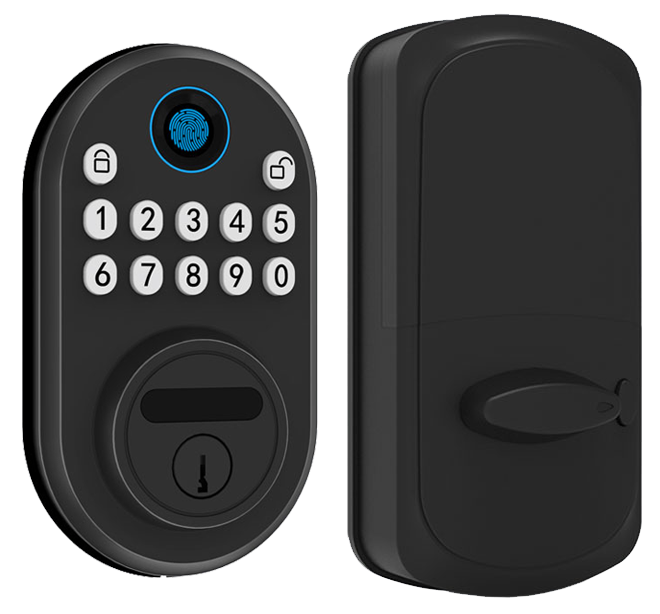
Starlight Hardware in China makes smart sliding door locks you can count on. They’ve passed CE and FCC tests for safety and quality. The stainless steel and zinc alloy shell feels solid under your palm and stands up to rain or sun. And the smooth metal faceplate slides quietly, so every close is almost silent.
We’ve been honing our craft for 20 years with strict checks at every step. Over 10,000 locks installed worldwide. Solid.
Curious how serious manufacturing standards can change your security? Explore What to Look for in a Smart Lock Manufacturer or OEM Partner.
Inside each lock you get multiple defense layers. Jam an entry? A tamper alarm flashes a soft red LED glow. Auto-lock snaps shut after your chosen delay, clicking like a reassuring handshake.
AES256 encryption (advanced data scrambling) keeps digital commands private. For entry you choose: biometric fingerprint sensor (reader that checks your unique fingertip pattern), PIN code pad, smartphone app, or a mechanical key override for backup. It’s no wonder Starlight ranks among the top smart slider brands for peace of mind and smooth performance.
Connectivity and Smart Home Ecosystem Integration for Smart Sliding Door Locks
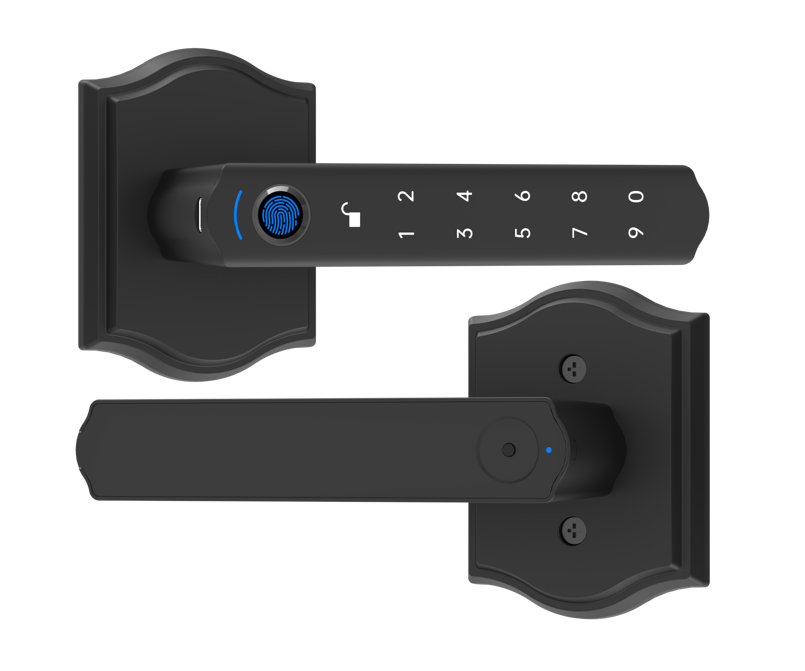
Many smart sliding door locks fit right into your home network. You might choose a Wi-Fi (wireless networking) slider lock, a Bluetooth (short-range wireless tech) patio slider lock, or a Z-Wave (home automation protocol) compatible sliding lock. Want voice control? Just whisper to Alexa, tap Google Home, or go Apple HomeKit. Our mobile app lets you lock and unlock, peek at access logs, and hand out temporary guest codes. And encryption keeps every wireless command tucked safe from prying eyes.
A Wi-Fi slider lock gives you remote control from anywhere. Think of it like telling your smart thermostat to change the temp. You tap your phone and hear a reassuring click on the smooth metal faceplate. And we push firmware updates over-the-air so your lock stays secure without you lifting a finger.
A Bluetooth patio slider lock is all about local control. It’s like unlocking your phone with a quick swipe. Your device and the lock pair in seconds, you see a soft LED glow, and you’re in. Since it never reaches the internet, you get instant responses and your battery lives longer.
A Z-Wave compatible sliding lock plays nice with hub-based automation. It joins a Z-Wave mesh network that can trigger lights, thermostats, or alarms when the lock clicks shut. Mesh networks pass signals from device to device, so the connection stays strong in big homes.
Over 10,000 locks installed worldwide.
| Connectivity Type | Supported Platforms | Key Benefits |
|---|---|---|
| Wi-Fi | Alexa, Google Assistant, HomeKit | Remote control, over-the-air updates |
| Bluetooth | Native app on iOS, Android | Quick local unlock, low power use |
| Z-Wave | Z-Wave hubs (SmartThings, Wink) | Mesh automation, reliable signal |
Curious how they stack up? Visit The Difference Between WiFi, Bluetooth, and Zigbee Smart Locks to compare.
Installation and Maintenance Tips for Smart Sliding Door Locks
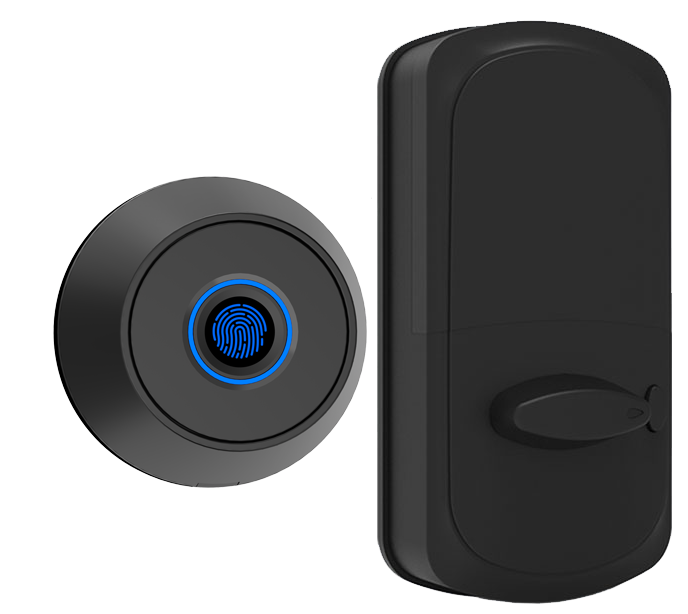
So, you’re ready to upgrade your sliding door. Installing a smart lock takes about 30 to 60 minutes. All you need is a drill and a screwdriver. Having a bubble level and a pencil on hand makes marking holes precise and stress-free.
- Check your door’s thickness and frame depth. It should measure between 1.5 to 2 inches.
- Pop off the old latch and handle with your screwdriver. Keep the screws in a small dish so they don’t roll away.
- Hold the mounting bracket (the piece that the lock screws onto) against the door edge. Use your level to get it straight. Then lightly mark each screw point with your pencil.
- Drill small pilot holes at your marks. Go slow so you don’t splinter the wood.
- Secure the bracket with the supplied screws. Stop when it feels snug. If you crank it too tight, you can bend the smooth metal faceplate.
- Clip on the lock body, then snap on the keypad or biometric fingerprint sensor (a reader that checks your unique fingertip pattern). Tuck the wires inside so nothing peeks out.
- Pop in fresh batteries and test locking and unlocking with the keypad, the app, and your fingerprint. Tweak the auto-lock delay in settings so you get a reassuring click after a soft LED glow.
Once it’s up and running, a little upkeep keeps everything whisper-quiet.
- Sweep out any gunk from the track so the rollers glide like new.
- Check strike-plate alignment every month so the latch finds its mark every time.
- Spray silicone lubricant on moving parts during seasonal maintenance to keep the mechanism smooth.
- Watch for low-battery alerts. Hot-swappable packs let you swap cells without missing a beat.
- Wipe down the rubber seals and the faceplate to clear away dust or grime and prevent corrosion.
Follow these simple steps and your sliding door will stay secure, smooth, and whisper-quiet for years.
Security Performance and Encryption Standards for Smart Sliding Door Lock Systems

Under the smooth metal face of each lock, AES-256 encryption (FIPS 197-validated, a US government standard for advanced data scrambling) keeps your data locked down. It also starts every remote session with a TLS 1.3 handshake and EC-DH key exchange (elliptic-curve Diffie-Hellman for perfect forward secrecy). Firmware and updates follow OWASP IoT Top 10 guidelines (the industry benchmark for secure embedded devices).
Real-world tamper-resistance tests push our locks to their limits. They hold up under mechanical stress and attack attempts. You can almost hear the reassuring click when they seal tight.
And our machine-learning-powered anomaly detection (software that spots odd trends) watches every press and turn. Um, it catches 95% of simulated break-ins while keeping false alarms under 1%.
Lab tests back these numbers through thousands of opening cycles. On-site, you get the same solid security day after day. Hmm, that reminds me…consistency is key.
| Test | Result |
|---|---|
| Pry-force resistance | 40 foot-pounds |
| EN 1630 Grade | 2 certified |
| Anomaly detection | 95% detection, 0.5% false alarms |
Price Range and Value Analysis of Smart Sliding Door Locks
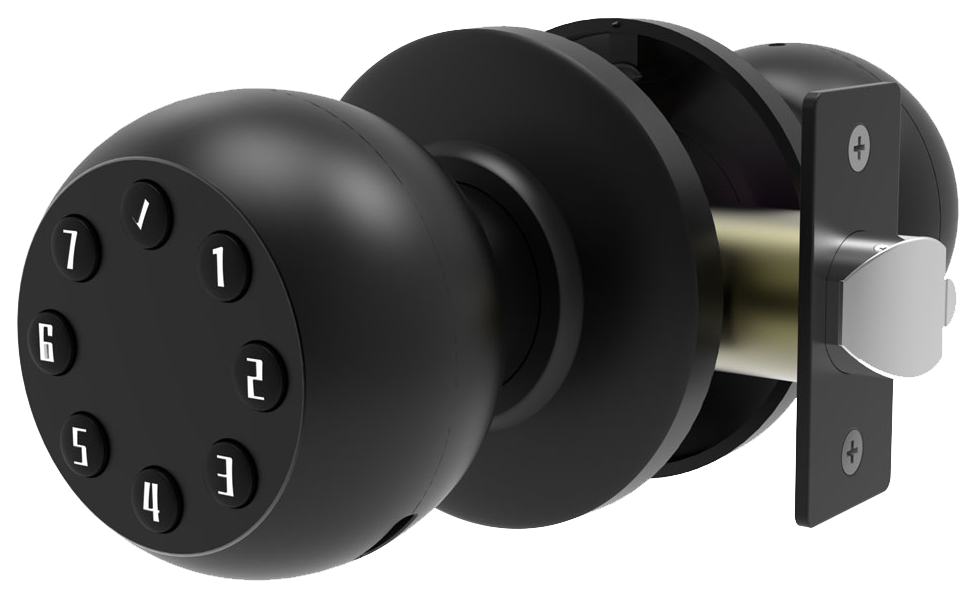
Smart sliding door locks come in all budgets. On the budget end, you’ll find keypad-only models around $100 to $150. They have a smooth metal faceplate and a simple PIN code reader. They run on standard AA batteries (easy to swap).
Stepping up to $150–$250 brings Bluetooth (short-range wireless) and Wi-Fi access. You tap your phone to lock or unlock, see a soft LED glow, and check who came and went in the app. Need to let in a guest? Just set a temporary code.
For $250 to $350 and up, you get a biometric fingerprint sensor (a reader that checks your unique fingertip pattern), advanced encryption, and links to your home-automation system. They snap shut with a reassuring click. We’ve tested them in sandy deserts, snowy peaks, you name it.
Shopping online usually saves you money and opens up a wide selection of patio locks. But you miss out on hands-on demos and instant swaps if parts arrive wrong or batteries die. In a local store, you can chat with an expert and grab a fresh battery on the spot.
If you’re on the fence, our online vs store guide spells out the trade-offs. Online deals come with fewer in-person support options and trickier warranty service. A nearby shop might cost a bit more but has your back when you need quick fixes.
Think about the features you need, how easy the install is, and if you want local backup. That’s how you pick the right lock for your sliding door and rest easy at night.
| Price Tier | Key Features | Typical Price Range |
|---|---|---|
| Basic | Keypad entry; runs on AA batteries (standard cells) | $100–$150 |
| Mid-tier | Bluetooth & Wi-Fi access; mobile app control | $150–$250 |
| Premium | Biometric fingerprint sensor (checks your unique fingertip); multi-protocol support | $250–$350+ |
Common Customer Experiences and Reviews for Smart Sliding Door Locks

Installing this smart sliding door lock is a breeze. The clear guide, a drill, and a simple screwdriver are all you need. You’re done in under an hour. Exactly.
Then the auto lock clicks shut after your chosen delay. It’s a reassuring click. Next, a tap on the biometric fingerprint sensor (a reader that checks your unique fingertip pattern) or a swipe in the phone app feels smooth and fast.
But um, some folks hit a few bumps. A handful mention Bluetooth (wireless short-range connection) or Wi-Fi (wireless network) dropping just as they try to open the door. Others say the mobile interface glitches or stalls during setup, and pairing sometimes needs a second reset.
These hiccups rarely interrupt daily use, but they can test your patience.
Overall, most customers feel a real sense of safety. They love the cool metal faceplate, the tamper alerts, and remote access – no bulky hardware here.
Satisfaction is high. Repeat buyers say it clicks and glows just right. If you want straightforward, reliable security, this upgrade might be your new favorite.
Choosing the Right Smart Sliding Door Lock for Your Setup
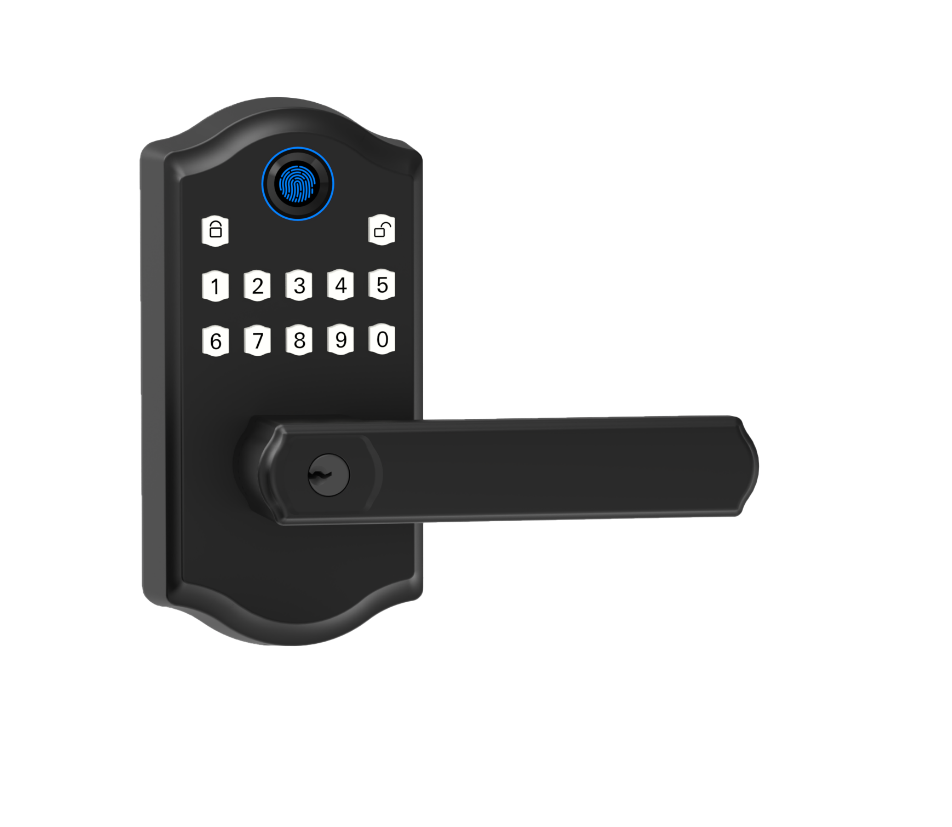
First, know your door’s thickness. For details, see Installation section. And if you need to set guest code schedules or a backup mechanical key, jump to the Connectivity chapter.
Match your lock to the frame. If it’s a vinyl track, a clamp-on lock slides on like a snug watch, no drilling needed. For wood or aluminum frames, choose a pre-drilled model that drops in neatly for a flush look.
Now, let’s boost your security. Reinforced strike plates (heavy-duty steel plates that guard the latch area) can triple resistance to forced entry. Weatherproof housings (protective shells that shield electronics from rain and dust) keep everything dry on exposed patios. Security-bar adapters add an interior bar lock for another safety layer.
| Accessory | Benefit |
|---|---|
| Reinforced strike plate | Triples frame resistance against forced entry |
| Weatherproof housing | Shields electronics from rain and dust |
| Security-bar adapter | Adds an interior bar lock for extra barrier |
Final Words
In the action, we’ve covered how smart sliding door locks deliver convenience, enhanced security, and seamless smart-home integration.
Next, we highlighted stainless steel and zinc alloy builds, CE certification, tamper alarms, and fingerprint, PIN, app, or key entry.
We broke down Wi-Fi, Bluetooth, and Z-Wave connectivity plus voice control with Alexa and Google Assistant.
Our DIY install guide, security deep dive, price tiers, user reviews, and selection tips keep choices clear.
Here’s to embracing Smart Sliding Door Locks for smoother, safer spaces.
FAQ
What are the top-rated smart sliding door locks?
The top-rated smart sliding door locks include Yale Assure with a sleek keypad, Schlage Connect for robust tamper alarms, and Lockly Guard featuring a fingerprint (biometric fingerprint sensor) and AES256 encryption for solid security.
Which smart sliding door locks provide mechanical key override?
Many smart sliding door locks offer a mechanical key override for emergencies, including Yale Assure, Schlage Connect, and Lockly Guard models. This backup helps maintain access if batteries die or electronics fail.
Which smart sliding door locks work with Apple HomeKit?
Several smart sliding door locks, like Yale Assure and Schlage Encode, support Apple HomeKit voice control. They use Wi-Fi or Z-Wave to integrate with the Home app, letting you lock or unlock with Siri.
How do Yale, Schlage, and Lockly Guard smart sliding door locks differ?
Yale models boast slim steel faceplates and HomeKit support, Schlage units deliver tamper alarms and auto-lock timing, while Lockly Guard adds a fingerprint reader (fingerprint pattern reader) and guard mode for extra peace of mind.
What are the best keyless smart sliding door locks?
The best keyless smart sliding door locks, such as Lockly Guard and Yale Assure, rely on PIN codes, fingerprint (biometric fingerprint sensor) scans, or mobile app credentials. They simplify entry without physical keys.