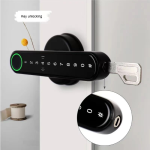
Still hauling around jangling metal keys and hoping renters bring them back? It’s a real headache.
Smart locks give you an automated access calendar (a schedule you build on your phone). You also get a real-time audit trail (a log of every door entry). That means no more rekeying fees. No more late-night callouts. And no more lost revenue.
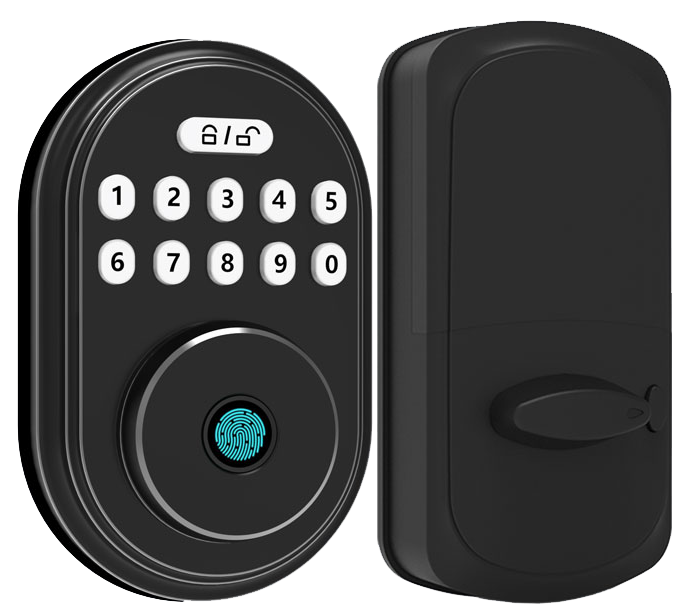
Picture tapping your phone screen to check in guests. Maintenance teams just swipe a card over a smooth metal faceplate or press a PIN pad (the numbered buttons under a soft LED glow).
Whether it’s a beachfront rental or a 100-unit apartment building, these locks earn back their cost in under two years. Solid.
In this post, I’ll guide you through seven smart locks that help real estate developers turn secure doors into profit drivers with quick ROI and next-level ease.
Why Smart Locks for Real Estate Developers Deliver Value
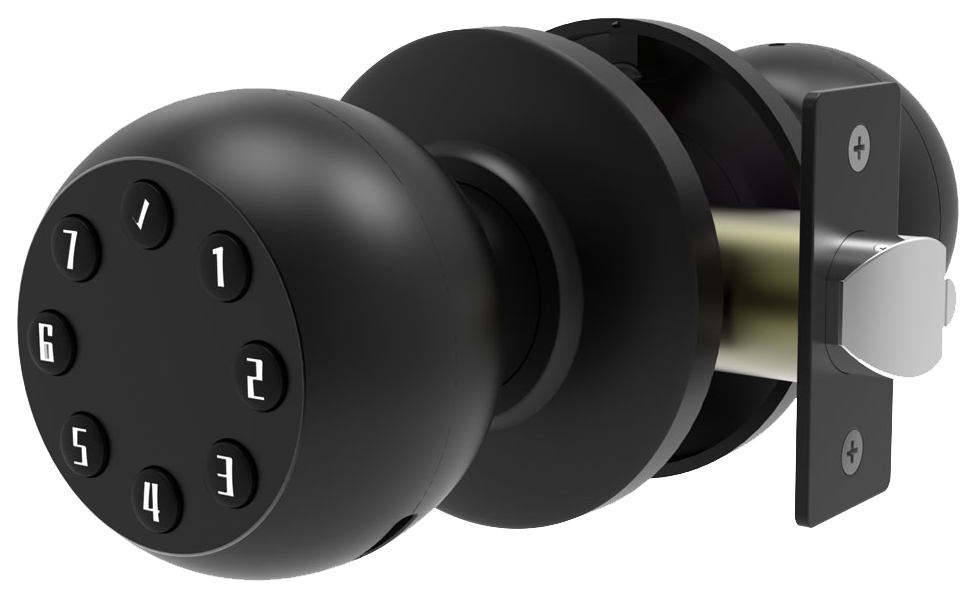
Smart locks give you scheduling and entry automation right away. You’ll ditch the old juggle of metal keys and move on to automated guest check-ins, maintenance access, and amenity doors. With a smart schedule (your automated access calendar) you tweak entry windows in seconds. Perfect for vacation rentals and multifamily builds.
Electronic Access Control (an electronic lock system) steps up security with an audit trail (a log of who entered, when, and which door). Want peace of mind? Lock or unlock doors from your phone or web dashboard. It feels like having a remote control for your entire property. Plus, our keyless entry systems cut rekeying costs – an API (application programming interface) call resets codes instantly for new tenants.
Developers following smart lock market trends 2025 see faster sales and can ask for a higher price once IoT amenities hit the market. Imagine a door that clicks open to a soft LED glow and gentle warm air from your HVAC – guests practically sigh with relief. It’s a design edge you won’t want to miss!
These smart locks run about a year on AA batteries (standard cells) or on rechargeable cells via micro USB, so there’s no wiring hassle late in a build. The smooth metal faceplate and compact lock body fit most mortise or cylindrical doors with simple adapters. Backed by CE certification and two decades of rigorous testing, they stand up to sandy deserts and snowy peaks.
Installation breezes through your schedule. Exactly.
Run the ROI calculation for access tech and you’ll find savings from fewer rekeys, reduced call-outs, and smarter energy use often pay for themselves in under two years. These smart locks aren’t just tech; they’re a profit driver and a must-have amenity.
Smart Lock Technologies and Connectivity for Property Developments
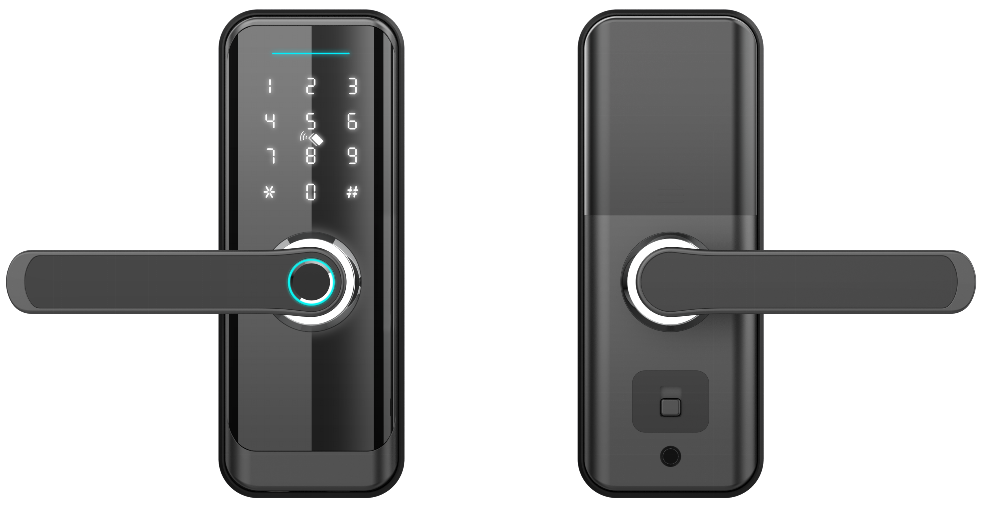
Connectivity Options
Wi-Fi door locks make remote control feel instant. You tap open on your phone and hear a reassuring click from the smooth metal faceplate. Activity logs pop into your dashboard. And firmware updates roll in over the air. But they sip more battery power. So plan on swapping AA cells or recharging about once a year.
Bluetooth door hardware pairs like your favorite headphones. Each time the lock senses your phone it syncs new codes across all doors. That soft LED glow tells you you’re good to go. It’s easy on batteries and keeps guest codes stored right on the lock. But you won’t get live alerts unless someone is in range to tap.
Z-Wave uses a low-energy mesh network that hops signals from node to node. It’s perfect for sprawling properties where Wi-Fi barely reaches the end of a hallway. You’ll need a central hub hooked to Ethernet or Wi-Fi. After that you can push firmware and schedule updates from one spot.
Retrofit adapters let you add new digital locks onto your existing cylinders without drilling fresh holes. Back to connectivity. Look for API integration so your PMS can call up code-creation routines all on its own. A solid smart lock manufacturer China supports more than 50 integrations to help you roll this out at scale.
Credential Types
Smartphone remote unlock brings guests in with an app key. They tap open from anywhere. You see a neat, time-stamped log of each entry.
PIN codes feel like punching a safe combo. They work offline and expire after a set window. Ideal for vacation rentals or a quick service visit.
RFID cards or fobs deliver tap-and-go access for lobbies, gyms, or common doors. They snap against the reader in a blink. Perfect for high-traffic zones.
Biometric fingerprint sensors (a reader that checks your unique fingertip pattern) add an extra layer when you need top-level clearance.
Mobile credential access by Bluetooth is a lifesaver when internet service is spotty. Users walk up, their phone signal unlocks the door, no app update or code entry needed on site.
Every credential method trims manual tasks and keeps your audit trail tidy. Each entry shows who, when, and where.
Installation and Deployment Strategies for Developers
Installation Methods
Our smart lock snaps right onto your old deadbolt (the round part your key turns). You’ll feel the smooth metal faceplate slide over your existing hardware. Then you hear a reassuring click. Smooth.
Or choose a full-replacement unit. It pulls out the old cylinder (the locking part inside the door) and pops in a fresh, factory-fit model.
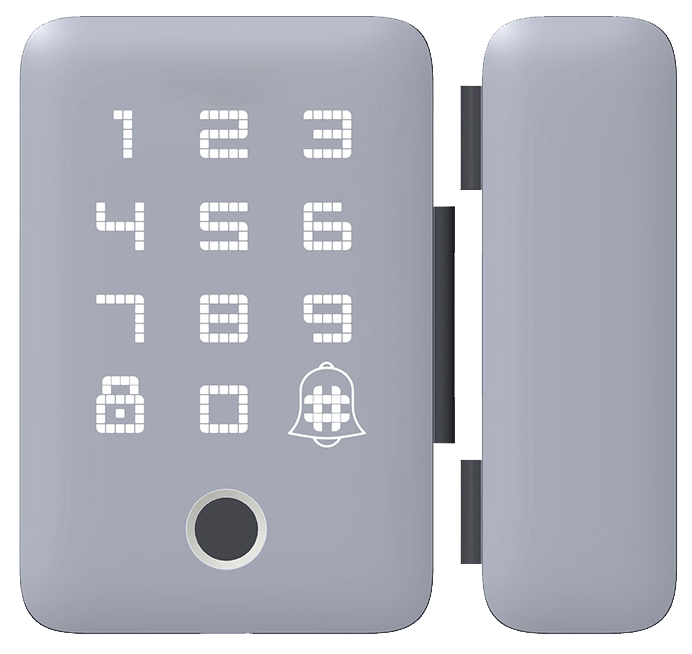
Mortise locks (built into the door frame) and glass-door setups need special brackets and drill templates. Think of them like custom puzzle pieces fitting just right.
Want to know a secret? Our wireless lock body skips all the wiring. It’s perfect for late-stage retrofits or new builds. You still get that soft LED glow without the cable mess.
- Overlay kits mount over your deadbolt without extra drilling
- Full-replacement units fit standard cylindrical (round) or mortise (frame-installed) cutouts
- Mortise and glass-door brackets come sized to your frame’s depth and material
- Battery-powered models avoid cabling headaches on tight schedules
Deployment Strategies
Whether you’re installing ten locks or a hundred, these tips save you time. One installer can finish each door in under an hour. Efficient.
When it’s one hundred doors or more, bring in a pro crew. It usually takes one to two weeks. Bulk orders unlock tiered discounts and sometimes cut costs by 30 percent per lock.
- Single purchase order for all your locks, no invoice juggling
- Batch-enroll credentials (digital keys) via cloud dashboard templates
- Group doors by building, floor, or amenity zone for fast setup
- Standard firmware loads before delivery
- Pilot with five to ten doors, then roll out everywhere
Follow our Installation Guide for Smart Locks and Retrofit Lock Installation Tips. You’ll trim labor costs and dodge surprises. A clear schedule, defined workflows, and one central electronic access control (EAC) system keep you on budget and on time. Every time.
Secure Management and Compliance in Smart Lock Systems
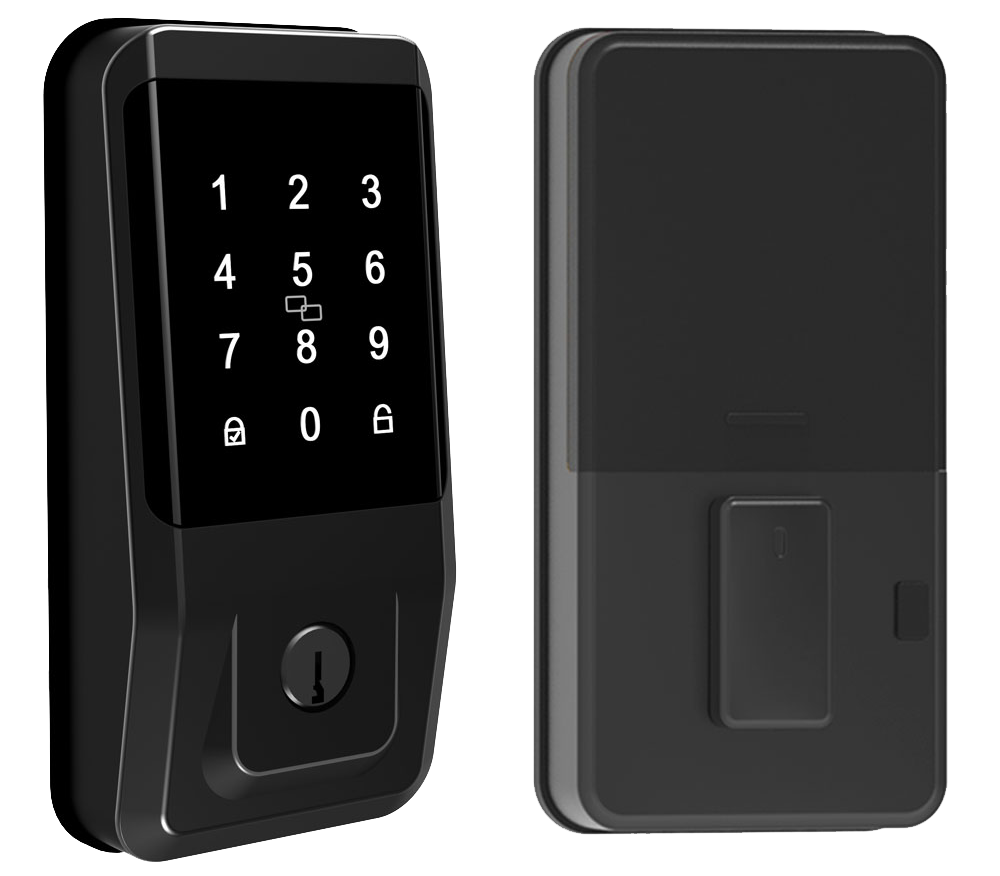
Our cloud-hosted dashboard feels like your personal security hub. It shows you who opened each door and exactly when. Audit trails export with a single click, no fuss.
Every lock talks in AES-128/256 encryption (a method that scrambles data). Secure firmware updates (device software patches) roll out automatically. You get airtight protection against tampering. Sleep easy.
We add two-factor authentication (password plus one-time code) for admin logins. That extra step locks out anyone who shouldn’t be there. It keeps your master settings under tight guard.
On-site installations give you full control of your own network. Cloud hosting offloads maintenance to our experts and even heals itself. On-site needs an IT team. Hosted options mean fewer support headaches. Choose what works for you.
All our locks meet emergency exit rules and ADA standards for safe, accessible doors. Our dashboard flags any noncompliant door right away. The checklist covers breakaway levers, low-force operation, and clear signage. Every entry stays guest-ready.
Every unlock feeds an exportable log with user ID, door ID, and timestamp. You whip up reports in seconds. Regulators, auditors, or property managers get instant answers, no spreadsheets needed. Trust built.
Cost Analysis and ROI of Smart Locks for Property Projects
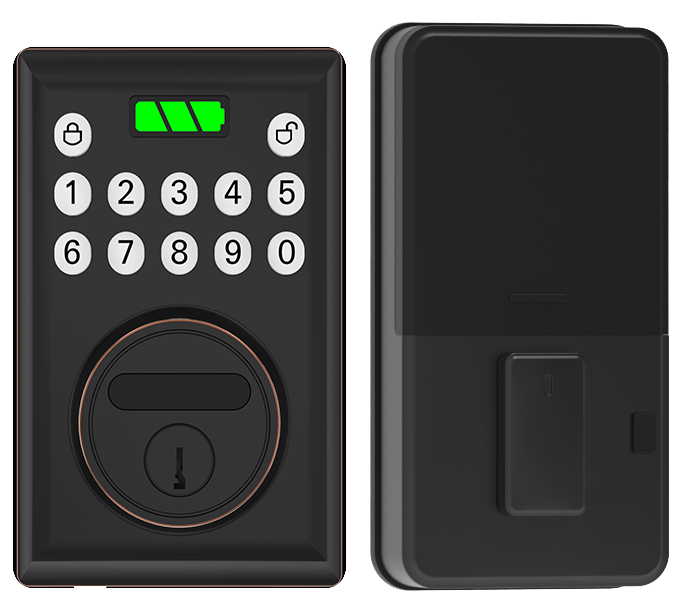
Our smart locks start at $150 and go up to $350 per unit. The exact price depends on the feature set and how you unlock it (like keypad or smartphone). Warranties run two to five years, giving you long-term coverage. Order in bulk, and you can cut each unit’s price by 20 to 30 percent.
Here’s a quick look at the main cost pieces:
- Unit cost: $150–$350 per lock
- Smart bridge: $50–$100 each (connects your lock to the cloud)
- Installation labor: $50–$100 per door
- Digital credential update: under $1 each (no new keys needed)
- Mechanical rekey fee: $50–$100 per lock
- Bulk discount: 20–30 percent off unit price
| Component | Cost Range | Notes |
|---|---|---|
| Smart Lock Unit | $150–$350 | Feature and connectivity dependent |
| Smart Bridge | $50–$100 | Required for voice and cloud access |
| Installation Labor | $50–$100/door | Professional rates vary by region |
Integrating locks with HVAC and lighting can trim utility bills by up to 10 percent, speeding up payback. Switching from mechanical rekeys (physically changing the lock cylinder) to digital code updates (under $1) slashes ongoing maintenance costs. Most multifamily buildings or rental portfolios see full ROI in 12 to 24 months once you factor in saved labor, energy rebates, and fewer service calls.
Use this total cost of ownership breakdown to build a clear financial case for smart-lock deployment. Solid.
Real-World Case Studies and Use Cases
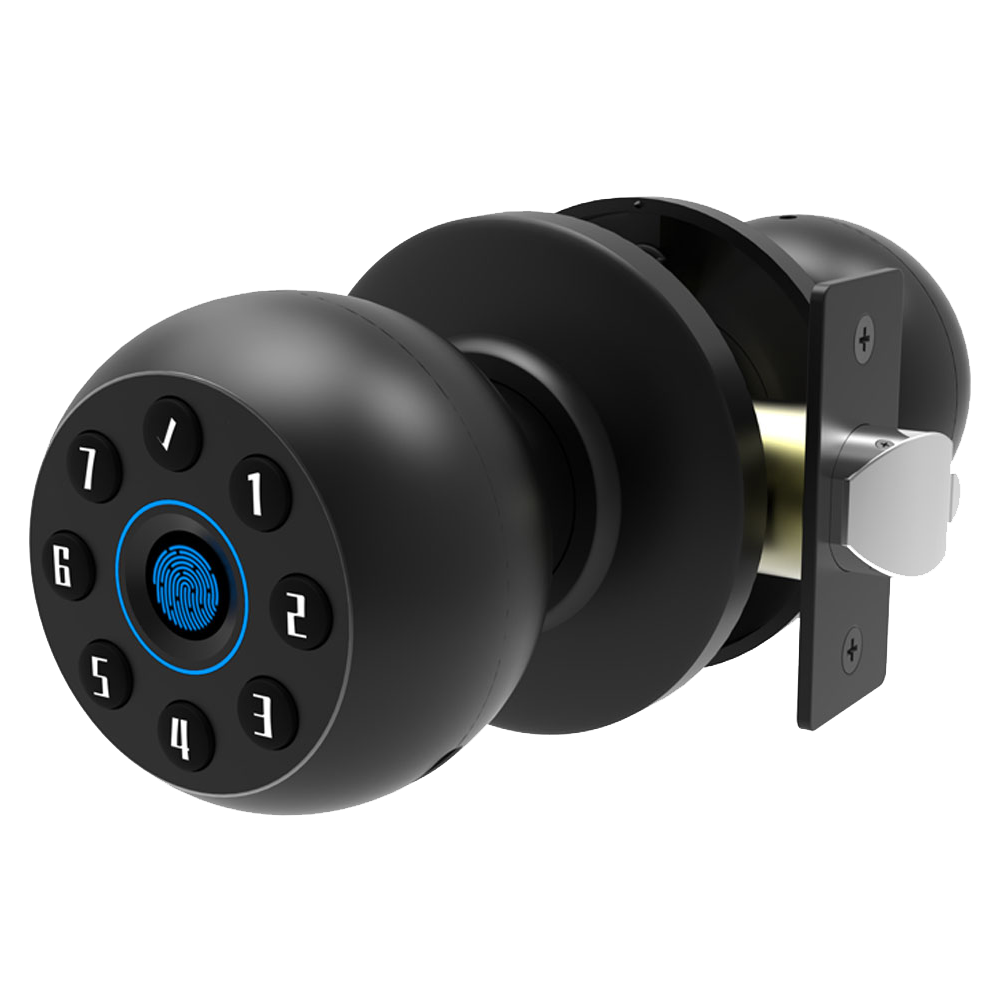
- At a 200-unit apartment complex, they cut on-site staff by 30% using scheduled PIN codes (time-bound entry windows) and audit logs (records of every access). Maintenance teams just tap in. No more phone tags. Managers rest easy.
- A boutique hotel switched to NFC tap cards and PIN entry at every door. Guests breeze through check-in and front-desk work dropped by 25%. That soft green LED glow lets them know they’re good to go.
- Co-living buildings juggling 300 users a month moved to mobile credentials (phone-based keys). Residents tap their phones on the lock, no fobs to lose. Move-ins and move-outs flow smoothly.
- Property managers tied smart locks into their property management system (PMS). Over 10,000 doors now sync codes, revoke access, and update schedules automatically in the cloud. Manual tasks almost vanished.
- Across apartments, hotels, and co-living spaces, move-in and move-out workflows sped up by 15–20%. Doors click open with a reassuring hum. Back-office teams get real-time logs, not voicemails.
These stories show smart locks trim work and boost savings. Fewer staff hours. Fewer guest complaints. Each lock becomes a silent partner. Tenants notice the little things, a soft LED glow, the crisp feel of a PIN-pad press (a tap on the number pad), or an instant mobile unlock.
Smart locks for real estate developers aren’t just gadgets. They’re property performance accelerators.
Even mixed-use buildings benefit. Delivery teams, cleaning crews, and security patrols get time-bound codes. No more key handoffs. No more late-night calls.
Why Starlight Smart Locks Are the Preferred Choice
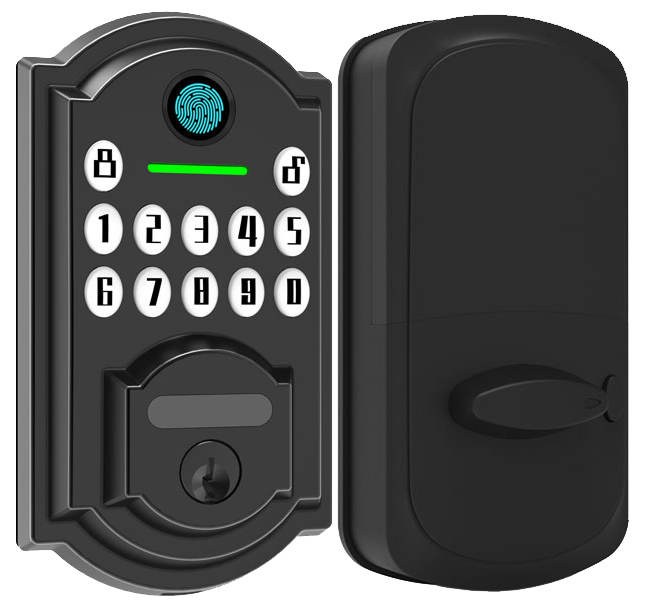
Starlight Hardware makes smart locks in a CE-certified (safety-approved) and FCC-certified plant in China. We follow ISO9001 quality processes (international standard for quality). Each lock has a smooth metal faceplate and a soft LED glow. It handles RFID (radio-frequency identification) cards, PIN code entry, Bluetooth proximity (wireless closeness detection), and Wi-Fi door control (internet-based lock control). You choose the tech that fits your door.
For developers, reliability isn’t optional. We offer a 2-year warranty and 24/7 global tech support (around-the-clock help). Downtime? It’s rare. Um, you can count on us. And bulk B2B pricing keeps big projects on budget. Solid.
You’ll love our pre-integrated SDKs (software development kits) and APIs (application hooks). They plug right into major building-management systems. Think of it like pairing your headphones to your phone, no extra coding needed. You get credential updates, audit logs, and remote unlock features out of the box. Want to know a secret? Leading developers across North America, Europe, and Asia trust Starlight for large multifamily, hospitality, and mixed-use builds.
Procurement Checklist for Locks
- CE and FCC certification plus ISO9001 quality controls
- RFID, PIN, Bluetooth, and Wi-Fi credential support
- Pre-built SDKs and API modules
- 2-year warranty with 24/7 global tech support
- Bulk B2B pricing tiers and reliable shipping
With Starlight, you get top-tier access control that performs every time. Easy install. Peace of mind.
Final Words
Covering every angle, from how smart locks simplify guest check-ins and boost security logs (detailed access records at your fingertips), to Wi-Fi, Bluetooth and Z-Wave connectivity options, we outlined solutions that fit modern builds.
We walked through pro tips for smooth installations, robust encryption standards, and clear ROI calculations backed by real-world case studies.
Solid.
With Starlight’s CE-certified hardware and global support, your projects gain reliable performance and seamless integration.
Let’s move forward with Smart Locks for Real Estate Developers and make access control a standout benefit for your properties.
FAQ
Where can real estate developers find smart locks in markets like California or Texas?
Real estate developers can find smart locks in California and Texas through regional distributors or authorized dealers. Partnering with local locksmiths offers on-site support, bulk pricing, and faster delivery.
What are popular smart lock brands for real estate developers?
Popular smart lock brands for real estate developers include August, Igloohome, Yale, and SentriKey Real Estate. Each offers remote code management, detailed audit logs, and easy integration with property-management platforms.
How much do smart locks for real estate developers cost?
Smart locks for real estate developers typically range from $150 to $350 per unit, depending on connectivity features and credential options. Smart bridges or professional installation may add $50 to $100 per door.
What are the disadvantages of using a smart lock?
Using a smart lock has drawbacks like battery depletion, occasional network outages, and firmware glitches. They demand routine updates, user training, and a mechanical key backup for emergency access.
Should I install a smart lock on my rental property?
Installing a smart lock on a rental property improves security with time-bound PIN codes and audit logs, simplifies self check-in, and cuts management costs. Tenants appreciate keyless entry for added convenience.
Do smart locks void insurance?
Smart locks don’t automatically void insurance policies. Most providers accept them if they comply with safety standards and professional installation. Always review your policy and inform your insurer about electronic access devices.