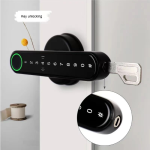
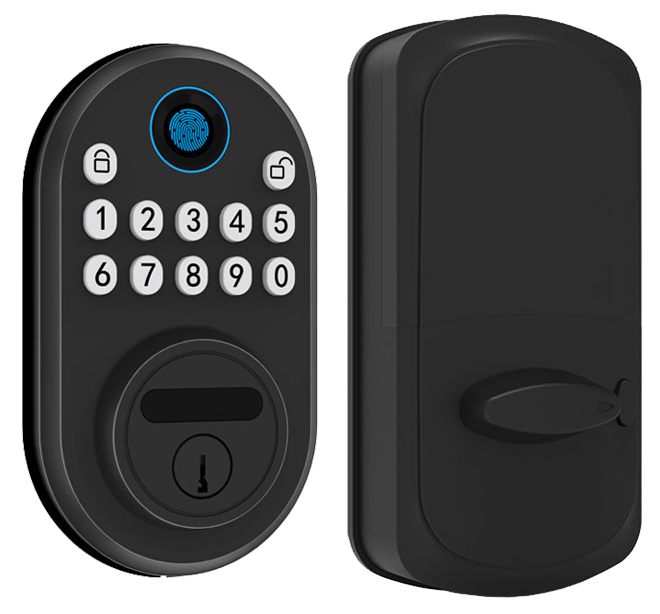
Think your lockers are safe with just padlocks? You might be surprised. Padlock keys can be the weak link in your security chain.
Enter tap-and-go RFID locker locks (radio-frequency identification). Picture the smooth metal faceplate lighting up with a soft LED glow. They use encrypted badges (badges with scrambled codes) and keep instant audit logs (detailed access records).
You get faster entry, fewer touchpoints, and no more sneaky tag cloning. Security, upgraded.
In this post, we’re diving into six top RFID locker locks that swap your cluttered key rings for a sleek, trackable system. Ready? Let’s go.
RFID Locker Locks: Comprehensive Overview of Technology, Benefits, and Market Trends
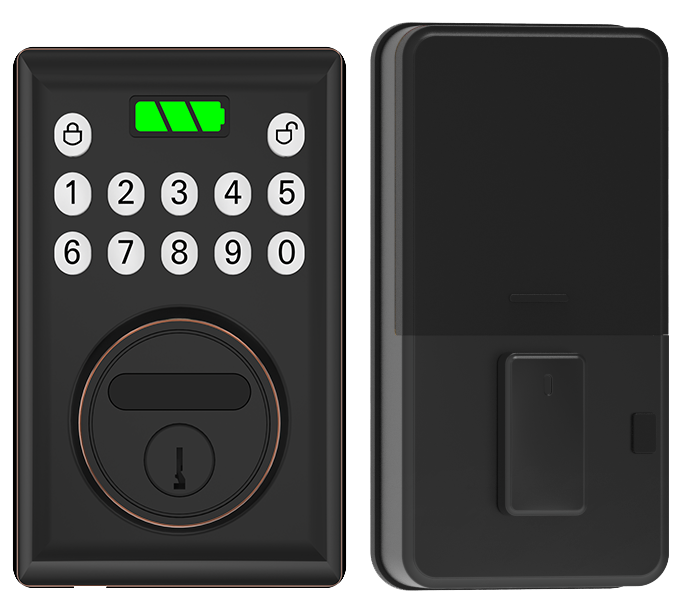
RFID locker locks use radio-frequency identification technology to unlock with a simple tap. They pack three main parts: the RFID reader (sensor that sends and receives radio waves), the RFID tag (a badge or card holding a unique code), and the electromechanical lock (the metal latch that clicks open). The reader’s soft LED glow lets you know it’s ready. Then a smooth click releases the latch.
Here’s how contactless access works. The reader sends out a radio wave to find a matching tag. If the code is approved, the lock pops open almost instantly. No key jiggling. No code punching. Solid speed.
Hygiene is another big win. In gyms, schools, hospitals, and offices, touchless entry cuts down on shared touchpoints. You just tap or wave your badge, no shared knobs or PIN pad. That reassuring click happens behind the scenes, keeping busy areas cleaner.
Security steps up too. Lost tags can be deactivated right away. Encryption makes cloning tough. Audit logs let managers track every open event, who, when, and where. That extra layer of tracking brings peace of mind.
Global demand is surging. The RFID locks market hits USD 4.9 billion in 2024 and is on track to reach USD 14 billion by 2033. Rising security concerns and the push for touchless tech are fueling that growth. It’s easy to see why RFID locker locks are winning on speed, hygiene, and security.
How RFID Locker Locks Work: Components and Access Process
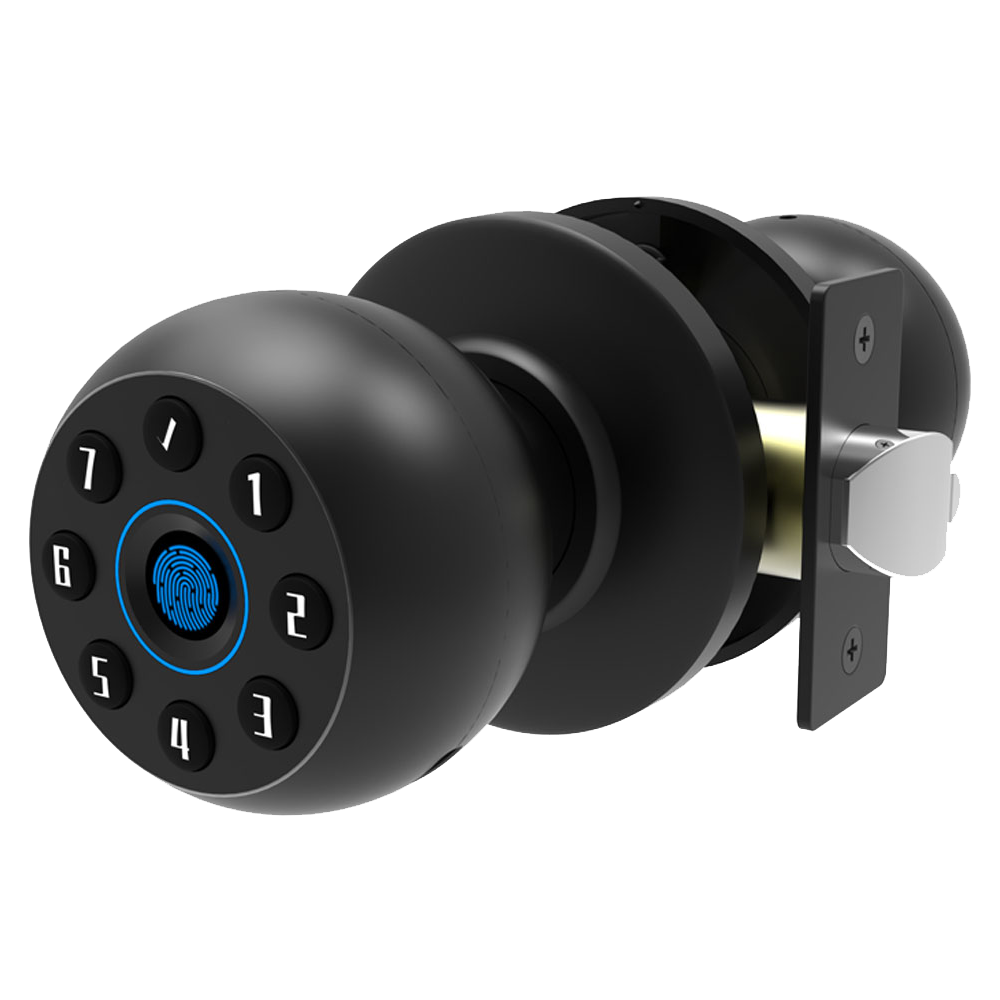
RFID locker locks bring together three parts. First is the RFID reader (a unit that sends and receives radio waves). Then you have the RFID tag (a card or fob with a tiny chip storing a unique code). And finally there is the electromechanical actuator (a spring-loaded bolt that clicks open). Combine them and you get hands-free entry with no wires between your tag and the lock.
The reader usually runs at either 125 kHz or 13.56 MHz. The 125 kHz coil has thick copper windings for a snug read field of about 2 to 5 cm. The 13.56 MHz antenna is a multi-turn loop tuned to around 500 ohms. It gives a crisp detection up to 15 cm away.
| Frequency | Read Range | Data Rate |
|---|---|---|
| 125 kHz | 2–5 cm | 1 kbps |
| 13.56 MHz | 5–15 cm | 106–424 kbps |
Tags follow ISO 14443 Type A specs (a standard for how proximity cards communicate), with memory blocks of 16 bytes each. A common 1 KB tag has 64 of these blocks.
You can lock each block as read-only or set it to read and write. The reader also runs an anti-collision loop (a way to pick one tag at a time). That stops multiple tags from clashing if they’re all in range.
For high-security setups they use DESFire EV2 with AES-128 encryption (data locked by a 128-bit key). Every exchange starts with mutual authentication, where reader and tag prove they are who they claim to be in under 25 ms.
Inside the lock the actuator holds a 2 mm stainless steel bolt under spring tension. When a valid tag is read it draws about 200 mA at 12 volts to pull the bolt back. A built-in capacitor bank (a small energy reserve) kicks in during brief power dips so the bolt always retracts smoothly.
The reader firmware offers Wiegand or RS-485 output (common communication protocols). That lets your management software revoke a lost tag in under 50 ms. And every swipe gets logged with the tag’s unique ID, a timestamp, and a success or fail result. You get a clear audit trail of who came in and when.
Security Features of RFID Locker Locks
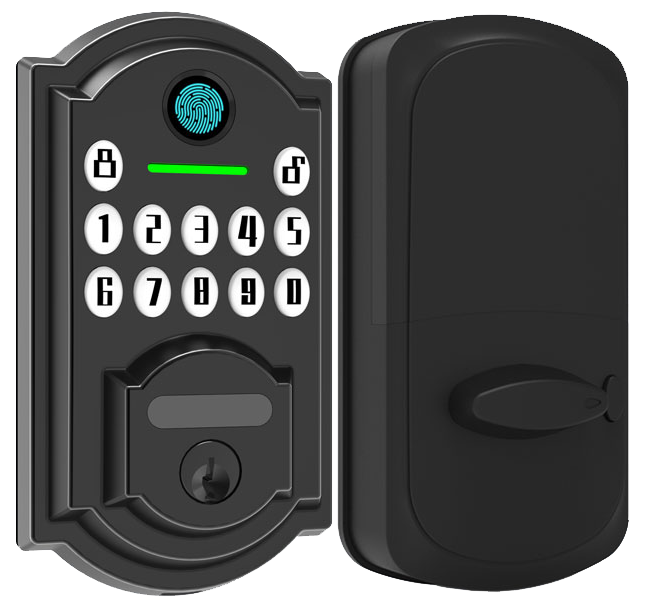
You know about encrypted sessions and usage logs inside these locks. But there’s more going on behind the smooth metal faceplate. Hardware defenses spring into action the moment something feels off. No waiting. No second chances.
Physical tamper detection (hidden sensors that spot drilling, bending, or forced entry) lives just beneath that faceplate. It’s like a guard dog with a soft LED glow, when it senses a drill or a bend, the lock snaps shut with a reassuring click. Then it quietly sends an alert to your management system.
Fail-safe lockout (a feature that blocks repeated bad tries) kicks in after a few wrong swipes or taps. Each mistake adds a short delay before you can try again. Try slow tactics? You’ll end up waiting longer and longer. Want to know a secret? That built-in pause is your best friend, it turns intruders into quick quitters.
Integration and Management of RFID Locker Locks
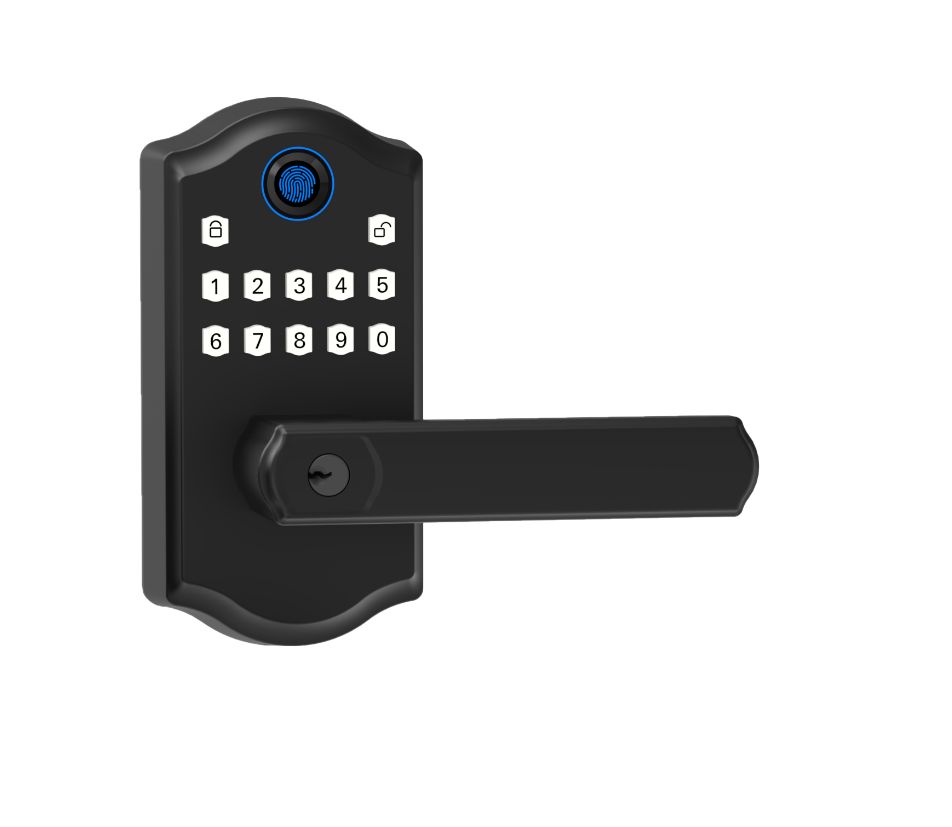
RFID (radio-frequency ID) locker locks come in three tiers. That way, you pick the right setup for your locker count and network.
Basic Tier
You get a standalone lock with no network link. Just press the simple programming buttons on the lock’s smooth metal faceplate to add up to 20 users. At the end you’ll hear a reassuring click and see a soft LED glow. It’s perfect for small gyms or offices without IT staff. No internet needed. Fewer moving parts means fewer headaches.
Advanced Tier
You connect locks to a handheld or wall-mounted reader (a gadget that scans badges). Think of it like scanning your badge at a hotel front desk. Then use local software on a PC to pull usage logs and make reports. Lost badges get deactivated in under a minute. Great for spots where Wi-Fi flops but you still want digital audit trails.
Smart/Cloud Tier
This is cloud-based locker management at its best. Each CE-certified lock talks to an online platform so you can admin remotely, day or night. Push instant credential updates, watch real-time dashboards, and spot odd access patterns right in your browser. Analytics help you balance locker availability and security across multiple sites. Want to know a secret? It’s a game-changer for big operations.
Offline Locker Control Systems
For places with shaky connections, offline locker control systems save the day. Carry a handheld reader around, then dock it to sync reports and updates. You keep full digital tracking without needing constant internet. Exactly what you need when connectivity isn’t reliable.
6 RFID Locker Locks Boost Facility Security
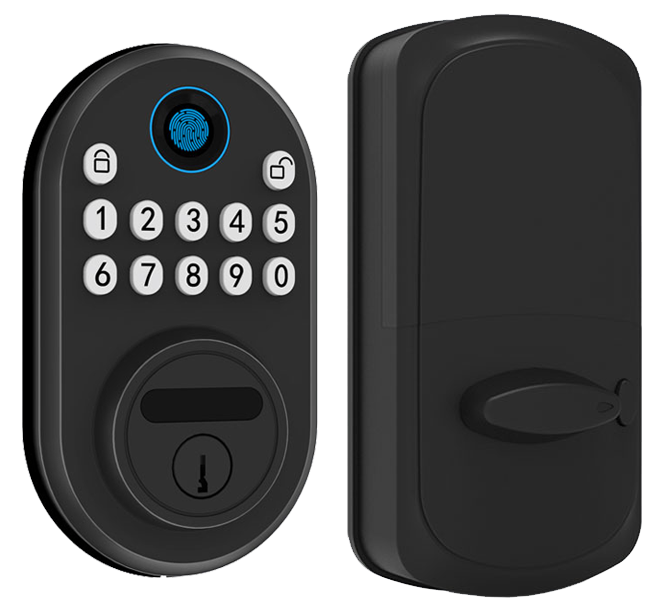
Padlocks rely on metal keys that can disappear or snap off like a thin twig. Master keys? They’re simple to copy from a bit of plastic. Lose your key, and you’re locked out – literally.
Combination locks live and die by secret codes. But many can be cracked with a few spins or beaten by cutting the shackle. Not exactly a fortress.
TSA-approved locks promise easy luggage checks, yet master keys still open them. Skilled pickers can twist the tumblers in seconds, too.
RFID locker locks cover all those weak spots. Each badge holds an encrypted ID (a coded digital key), so cloning is almost impossible. Lost credentials get deactivated in a click, no more lock picking or code guessing. Contactless tags mean no jiggling or painful PIN-pad presses. Tap your card, watch a soft LED glow on the smooth metal faceplate, then hear a reassuring click.
Curious how wireless options compare? Check out RFID vs. Bluetooth Cabinet Locks: Which One is Better? for a closer look at Bluetooth vs RFID systems.
| Lock Type | Security Weakness | RFID Advantage |
|---|---|---|
| Padlock | Key duplication, lost keys | Encrypted badges, instant deactivation |
| Combination Lock | Code cracking, shackle cutting | Contactless authentication, no codes to guess |
| TSA-Approved Lock | Master key access, easy picking | Unique IDs only, audit logs for every swipe |
RFID Locker Locks for Gyms, Schools, and Offices: Use Cases and Benefits
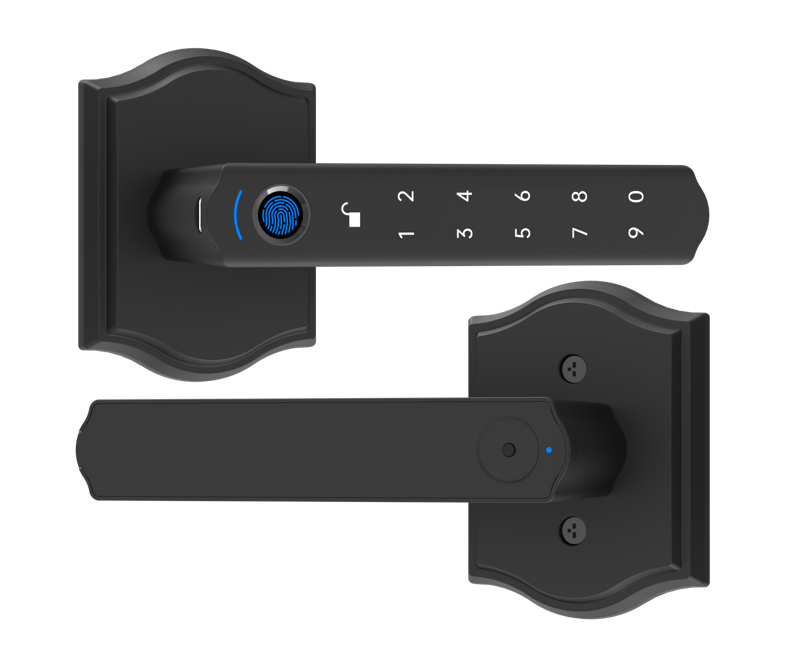
Gym Applications
In busy fitness centers, RFID locker locks let you breeze past crowds with a quick tap. The smooth metal faceplate (that cool, shiny surface) glows softly, inviting you to wave your badge instead of wrestling with a padlock.
It feels like swiping a credit card, and it cuts down on germ spots, no more sweaty palms on shared knobs. Want to know a secret? Our new membership flow links check-in with locker access.
Grab a towel, hit the treadmill, and listen for that reassuring click when you lock up. Check out Top 5 Cabinet Locking Systems for Gyms in 2025 for more trends.
School Applications
Campuses love RFID locker locks because they tie into student ID cards. Imagine tapping the same card at the cafeteria and at your locker, no more scrambling for keys between classes.
Lost your card? IT can deactivate it in seconds and send a virtual replacement right from a browser. Audit logs track every tap, showing who opened which locker and when. That helps campus security spot odd patterns during a busy lecture day.
Office Applications
In corporate settings, RFID locker locks give IT teams full control without leaving their desks. Shared lockers fit a hot-desking plan – employees tap in for the day, then the next person taps out.
For long-term storage, you get permanent credentials (your badge) that always auto-relock after use. The browser-based dashboard shows vacant lockers at a glance, delivers usage reports, and logs every swipe. And if someone leaves the company? Managers can revoke access instantly.
Peace of mind.
Installation, Maintenance, and Troubleshooting of RFID Locker Locks
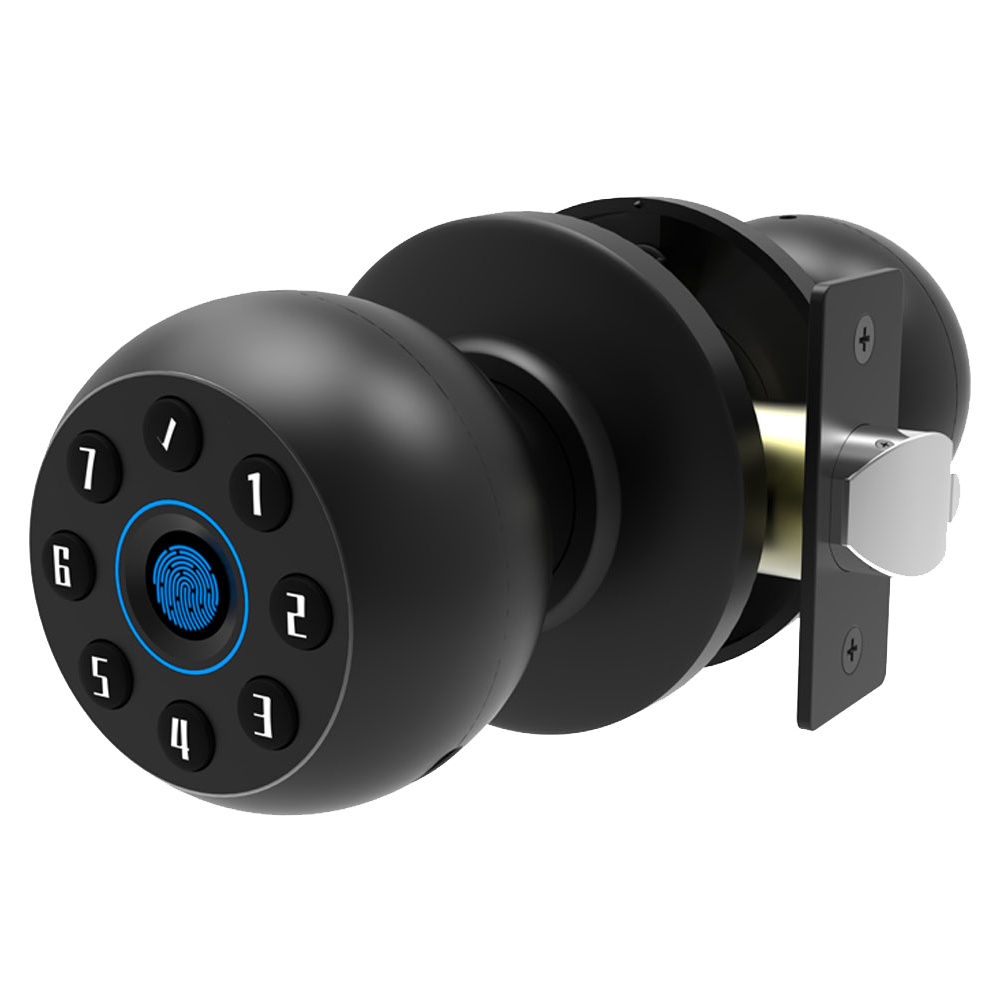
Our patented installation guide from Digilock makes setup a breeze! Whether you’re snapping a retrofit kit onto old lockers or fitting brand-new ones, the manual walks you through mounting the reader (the part that reads your ID badge), running low-voltage wiring, and securing the electromechanical bolt (the metal latch that keeps the door shut). Just make sure the smooth metal faceplate is level and the wiring harness is snug, so you get that reassuring click and soft LED glow.
All Digilock kits are CE certified and built on over twenty years of testing.
Solid.
For first-time setup, partners like eLocker can send a pro on-site or loan you a handheld programming tool (a small device that programs and tests locks). Techs wave each badge in front of the reader, listen for the reassuring click, and watch for a soft LED glow. Want to know a secret? That glow and click means the lock is ready for action.
Every three months, peek at the faceplate, reader coil, and cable entries. Wipe away dust or grime with a dry cloth so the reader stays sharp. Then check your battery backup (a backup power pack) or main power supply to make sure voltage stays proper. Spot a loose connector? Tighten it now before you start getting read failures or locks that don’t always click shut.
And if a lock goes quiet, don’t panic. Cloud-managed models let you log in to your online portal (your web dashboard), push a firmware update (new internal software), or reset user access from anywhere. Offline locks need you to dock the handheld reader, sync logs, and install firmware via USB. If the reader glows steady red, grab an ohm meter (a tool that measures electrical resistance) and check the antenna coil (the wire loop that talks to your badge) to spot a wiring hiccup in under five minutes.
Pricing, Buying Guide, and Vendor Recommendations for RFID Locker Locks
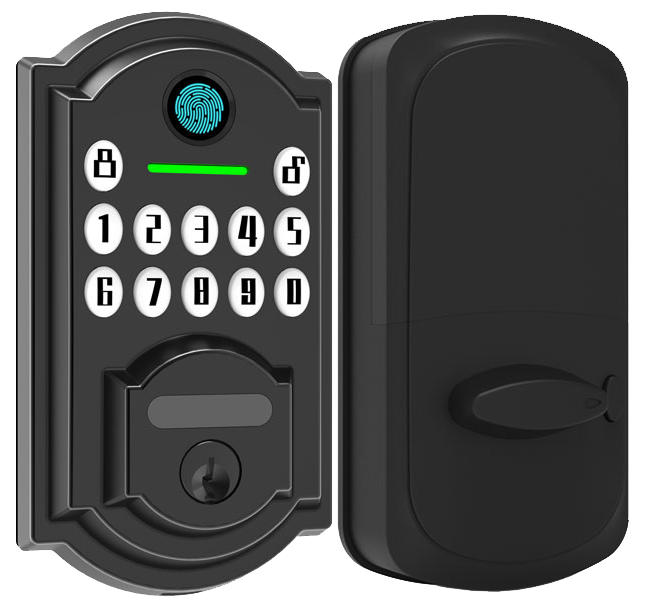
Choosing the right RFID (radio-frequency identification) locker lock can feel overwhelming. We broke costs into three tiers, Basic, Advanced, and Smart, so you know what to expect from the get-go.
| Tier | Price per Lock | User Capacity | Network |
|---|---|---|---|
| Basic standalone | $50-$80 | Up to 20 users | No network needed |
| Advanced on-premises | $150-$200 | Unlimited users | Local reporting software (usage stats on your PC) |
| Smart cloud-managed | $250-$350 + monthly fee | Unlimited users | Real-time dashboards, remote updates |
Basic standalone locks start at $50 per lock. They work offline and handle a small team without fuss. Perfect for a garage gym or a weekend coworking space.
Advanced on-premises models cost $150 to $200 per lock. You get local reporting software (a tool that shows who’s used which lock and when). Great for schools or warehouses that want data on-site.
Smart cloud-managed locks run $250 to $350 per lock plus a small monthly fee. You’ll see real-time dashboards and update credentials from anywhere. Want a secret? You can even peek at battery levels on your phone.
Before you buy, keep these in mind:
- CE and FCC certification (proof of safety approvals)
- RoHS compliance (eco-friendly manufacturing)
- Responsive support (on-site setup, handheld programming tools)
- Integration ease (works with your existing ID badges and management software)
- Warranty and firmware updates (keeping locks secure over time)
Over 10,000 locks installed worldwide.
Top names like Digilock and eLocker cover each tier with solid reputations. But let me rephrase that… Starlight Hardware’s Starlight Smart Locks also fit every category. They carry CE and FCC marks (safety approvals), meet RoHS eco standards, and even offer OEM customization. With two decades of testing behind each smooth metal faceplate, that soft LED glow, and the reassuring click, you’re backed by true experts.
Final Words
We explored how RFID locker locks work, from readers and tags to touchless opening and hygiene perks in busy settings.
Then we highlighted security features like AES-encrypted tags, anti-tamper alarms, and usage logs for worry-free control.
We compared smart systems to padlocks and combos, showed integration paths for standalone, on-premises, and cloud setups, and shared real-world examples for gyms, schools, and offices.
Installation guides, maintenance tips, and a vendor price tier guide rounded out our discussion.
Now you’re ready to choose smarter access with RFID Locker Locks.
FAQ
What are RFID locker locks with key overrides?
RFID locker locks with key overrides combine touchless radio-frequency access with a metal key backup for emergency entry, ensuring uninterrupted security and smooth fallback whenever you need it.
What are the best RFID locker locks available?
The best RFID locker locks offer instant touchless access, AES-encrypted tags (strong data protection), and rugged metal housings tested in gyms, schools, and offices, backed by CE certification for reliability.
How do I replace or upgrade RFID locker locks?
Replacing or upgrading RFID locker locks involves removing the old reader and latch, mounting the new components, programming tags via a handheld tool, then testing touchless entry to confirm smooth operation.
What are RFID cabinet locks and kits?
RFID cabinet locks and kits include a reader, tag or card, and an electromechanical lock in one package, letting you retrofit existing cabinets or install new ones with contactless, secure access.
What is the best RFID lock for a gun cabinet?
The best RFID lock for a gun cabinet features tamper alerts, reinforced metal casing, and limited-access tag programming, so you get swift entry while keeping firearms safely out of unauthorized hands.
Can RFID locks secure hidden doors?
RFID locks can secure hidden doors by mounting a discreet reader on the frame and linking to a concealed electric bolt, delivering hands-free entry and stealthy protection for private spaces.