Home security has outgrown its original purpose as a reaction to break-ins. Today, American households use surveillance systems as lifestyle enhancements, valued for the constant reassurance they provide. Devices like smart sensors and cameras, once limited to high-risk properties, have become common in yards and living areas. Homeowners check live feeds on smartphones, adjust automated lighting and integrate door sensors with other smart-home features. As device costs have dropped, adding motion detectors, window contacts and lighting automation has become affordable. These shifts have driven a surge in market options, from entry-level kits to premium packages bundled with optional cloud storage plans.
In August 2025, a nationwide poll questioned 1,200 adults across the United States about their home security habits. More than half—52 percent—said ongoing safety concerns prompted them to modify daily routines or take specific actions to shield their property and loved ones.
Most participants already had at least one safety measure installed: 59 percent cited a single system in place, and another 41 percent relied on multiple devices at once. These tools demand ongoing attention. In fact, 61 percent said they check recorded or live camera footage several times each day, treating the feeds like a digital window into their homes. Many set up app alerts to ping their phones whenever motion sensors activate, prompting fresh rounds of live monitoring.
Survey participants signaled strong support for embedding security measures into new construction. Half of respondents said systems should come standard in any freshly built home. Gift-giving also emerged as a trend: 54 percent revealed they’ve contemplated buying a surveillance package for a family member to share that sense of comfort. This view held true in both city centers and suburban areas. Buyers cited budget-friendly starter packs priced under $200 as one factor widening adoption.
Statistics from federal law enforcement deepen the picture of potential risk. Data compiled by the FBI indicates a residential break-in occurs every 25.7 seconds nationwide. That pace translates to over 3,300 incidents per day. That figure represents a broad average; living in regions with higher crime rates can considerably raise the odds of a household being targeted.
Firsthand experiences shaped many decisions. Thirty-five percent of those surveyed said they had endured a burglary or an attempted entry. Among that group, 78 percent invested in a security system after the event. Another 29 percent reported catching package thieves on camera, using their surveillance to recover stolen items or alert authorities. In several reported cases, footage provided essential evidence for insurance claims or police investigations. Most post-incident purchases included multi-camera bundles and door and window sensors.
Even without direct encounters, a sense of control draws people to these setups. Peace of mind topped the list as the main driver for 48 percent of homeowners. Protection against theft or property damage ranked second at 29 percent, and 10 percent installed devices expressly to deter unwelcome visitors. A smaller fraction chose systems for specialized monitoring: 5 percent to keep watch on children or pets, and 4 percent to track package deliveries. Many noted that user-friendly apps and voice-assistant compatibility influenced their setups.
Attitudes toward surveillance improved over recent years. Ninety percent of respondents said monitoring front porches for packages is acceptable, up from 75 percent in early 2022. Seventy percent approved watching neighborhood streets for suspicious activity, compared with 63 percent three years prior. Sixty-four percent accepted indoor cameras to observe visitors or service workers, rising from 49 percent. That increase highlights shifting comfort levels around privacy in living areas.
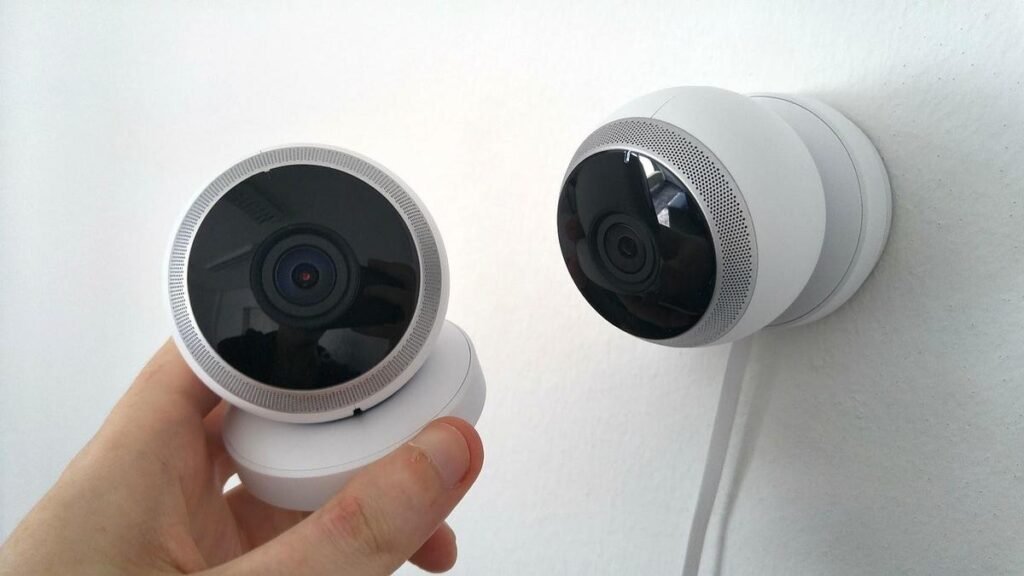
Exterior cameras dominate consumer interest. Sixty-two percent of respondents had outdoor units installed, followed by video doorbells at 56 percent. The sight of a visible lens matters: 41 percent said simply seeing those devices on a neighbor’s property made them feel more secure at home. In fact, 84 percent stated they would gain a greater sense of safety if neighbors mounted cameras, and 39 percent said the increase would be substantial.
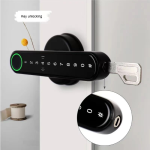
Adoption rates drop sharply after those leading measures. Thirty-six percent reported using indoor cameras; 31 percent equipped their doors with smart locks, and 17 percent kept a guard dog on the premises. Alarm systems monitored by a third party appeared in 35 percent of households. Self-reliance on in-house monitoring remains common, yet only 32 percent depend exclusively on that approach. Many combine self-monitoring and professional backups, covering gaps in alert response.
Professional monitoring services attract respect but concern. Nearly half of the group—49 percent—view constant, around-the-clock monitoring as critical to their sense of security, even as 37 percent named privacy or data breach risks among their top worries when adding new technology. Those doubts pose a challenge for service providers that tout professional monitoring, as any breach or hack could undermine the entire product ecosystem. Those fears highlight the need for companies to commit to robust cybersecurity measures alongside hardware offerings.
Smart home platforms that weave security into broader ecosystems have risen to meet that demand. One community-oriented example links cameras across a neighborhood radius. Users receive real-time alerts when motion sensors trigger on adjacent blocks. Respondents emphasized the necessity of remote access via smartphone apps, identifying key features:
- Live camera feed viewing
- Remote control of locks, alarms and lighting
These patterns point toward home security as an experience rather than a one-off purchase. Frequent livestream checks, automated routines tied to other smart home gadgets and community alert networks now play central roles in the sense of safety. Buyers expect seamless integration with lighting, heating controls or voice assistants, turning a standalone camera into a node within a larger ecosystem.
Trust underpins consumer choices. Confidence in installation teams, data-handling policies and service provider transparency ranks high alongside hardware features. Companies that can combine fine-tuned cybersecurity practices with reliable, managed services stand to earn significant loyalty, especially among those who hesitate to hand over surveillance feeds to anyone else. Those firms have begun offering encrypted video storage, authentication and security audits to address skepticism.
The survey drew responses from adults aged eighteen and older, split nearly equally between men and women. Every participant already used at least one form of home security. Answers were weighted to match the demographic composition of the U.S. population and reflect regional differences in property crime rates.