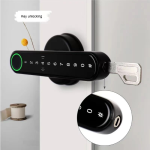
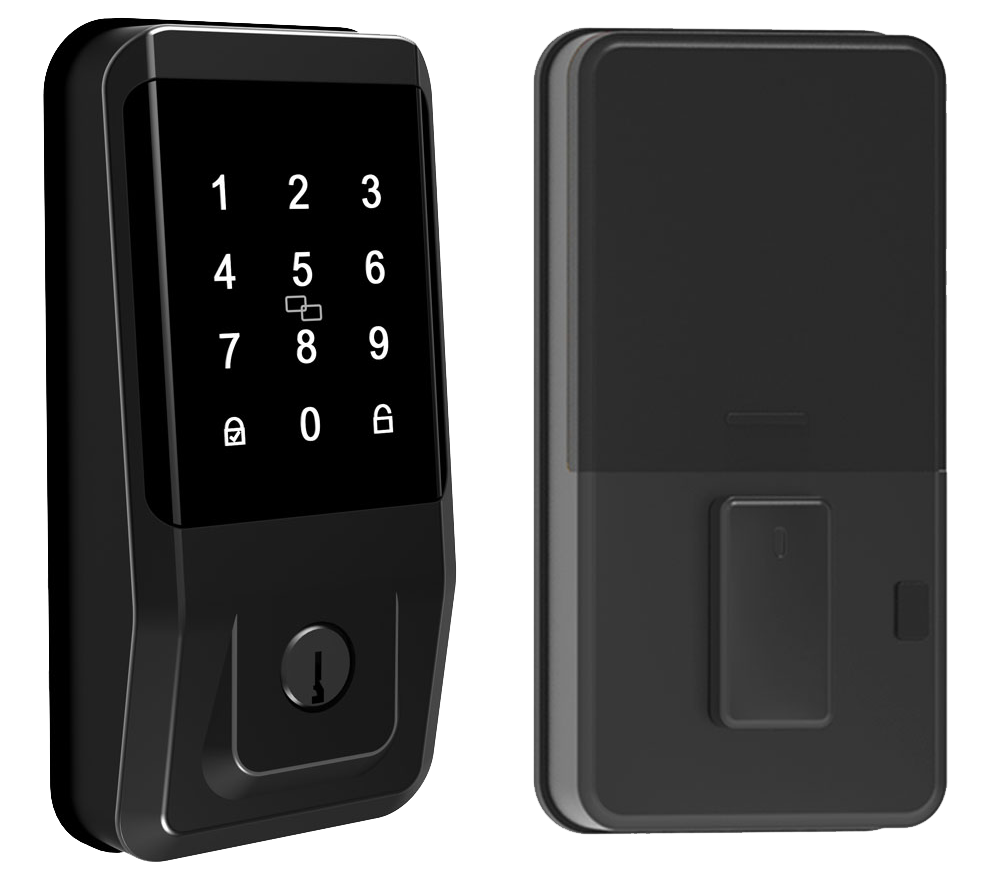
Imagine never digging around for a lost key again. Misplaced keys slow down locker rooms. They skyrocket maintenance bills. Annoying and expensive.
A keyless locker lock ends those cut and replace headaches. It keeps repair costs low and lets you in fast. From the reassuring click of a mechanical dial (a turn-to-unlock knob) to the smooth swipe of an RFID (radio-frequency identification) card reader, our top seven picks deliver quick, secure entry for gyms, schools, and offices. All models come with solid warranties and built-in tamper alerts.
Keyless Locker Locks for Gyms, Schools, and Workplaces: A Comparison
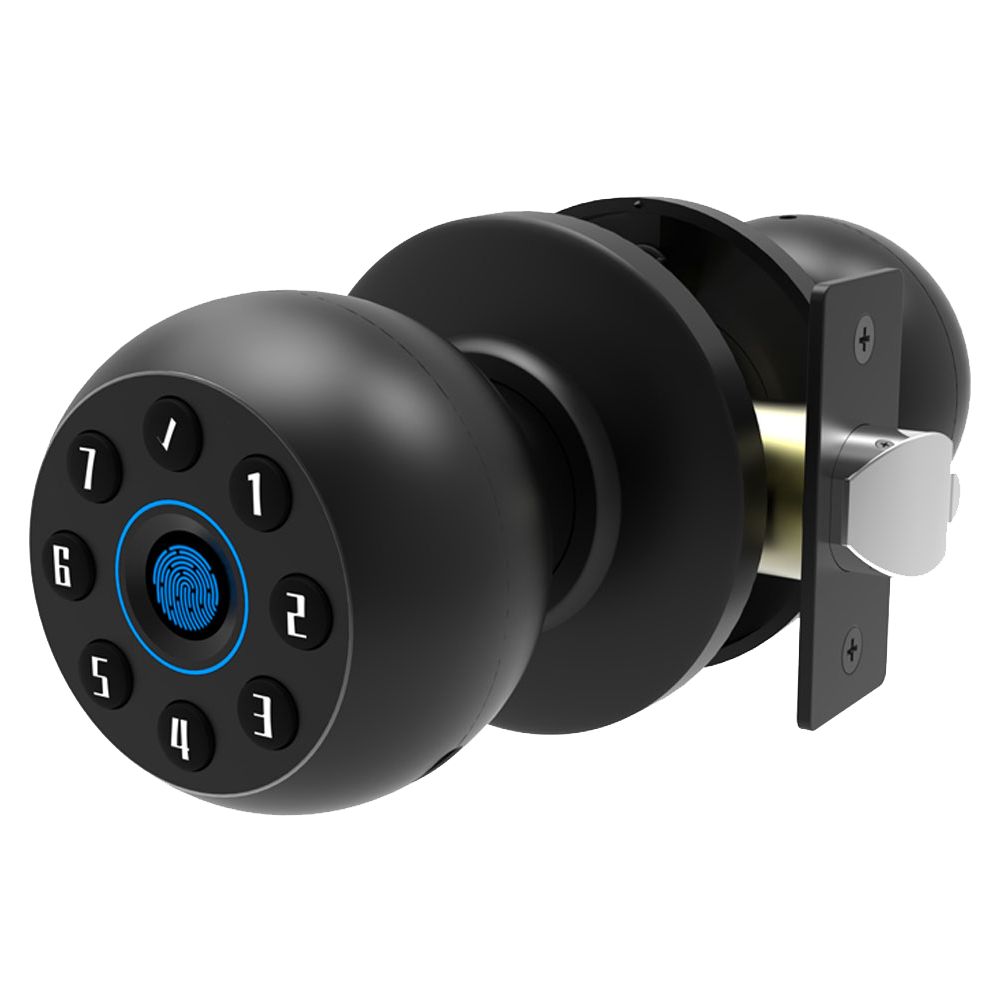
Misplaced keys are a real headache. Swapping out worn barrels and cutting new keys eats into maintenance budgets. Members, students, and staff end up waiting, and frustrated. Keyless locker locks erase that hassle and shrink repair bills.
Whether you like a simple turn-and-click dial or a high-tech tap, there’s a solution for you. Mechanical combination locks give you that reassuring click with each spin of the dial. Digital locker locks (keypad-operated) light up with a soft LED glow when you enter your code. And RFID locker locks (radio-frequency identification) let you just tap a card or fob.
| Facility | Solution Category | Price Range | Buy Now |
|---|---|---|---|
| Gyms | Mechanical combination locks | $20–$50 per lock | Buy Now |
| Schools | Digital locker locks | $50–$150 per lock | Buy Now |
| Workplaces | RFID locker locks | $70–$200 per lock | Buy Now |
Our top pick is Starlight Smart Locks from $X per door, backed by a two-year warranty. They sport a smooth metal faceplate and snug fit. You’ll get audit-trail data (a log of who opened the lock and when), tamper alerts (instant buzz if someone tries to force it), and simple code management, all in one sleek package.
Want to know a secret? Their auto-lock mode is a game-changer.
We’ve tested these locks in sandy gyms and snowy school hallways. CE certified and built to last. Solid.
Keyless Locker Locks Types: Mechanical, Digital, and RFID
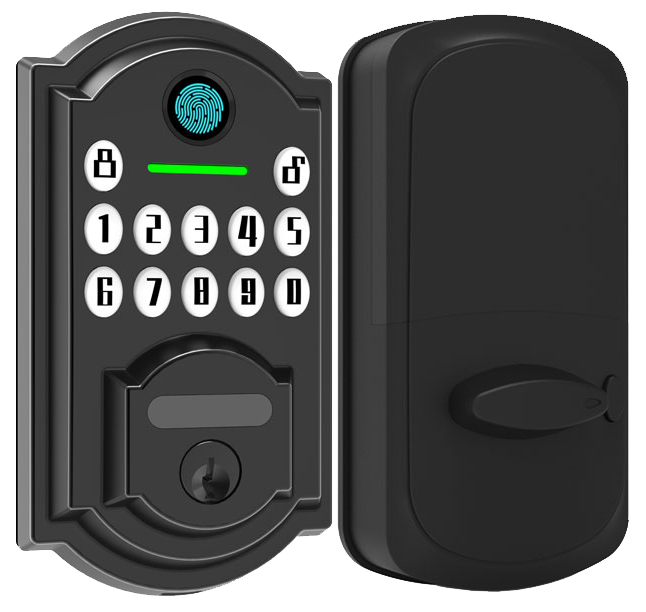
Choosing the right keyless locker lock comes down to how many doors you have and how people use them. A small gym with 50 lockers can work just fine with a simple dial. But a university with dozens of halls might need networked digital locks. Match your traffic to the right locks, and you’ll cut down on service calls. Want to know a secret? It all runs smoother.
Mechanical Combination Locks
Mechanical combination locks run without batteries. They shine in setups up to 100 doors. You spin through 1,000 to 10,000 code options until you hear a reassuring click. There’s a manual override key hidden behind the smooth metal faceplate for emergencies. You can reset user codes on the fly, too. Housings come in ABS plastic or tough zinc alloy, often paired with a stainless steel face that resists scratches and spills. Solid.
Digital (Electronic) Locker Locks
Digital electronic locks fit 50 to 1,000 doors. They use 4 to 6 digit user codes plus an 8-digit master code for admins. Coin cells, AAA triple packs, or CR123 lithium batteries power them for around 15,000 openings. You’ll hear a soft beep and see a small LED glow when it locks or unlocks. A battery-level indicator keeps you in the know. You can even set an auto-unlock timer for rental use. With IP54 water resistance and both flush and surface mount options, these locks laugh off splashes in pool clubs or sweaty locker rooms. Many models link to a Remote Allocation System (RAS) for centralized code updates.
RFID Locker Locks
These RFID (radio-frequency identification) locks let you tap a MIFARE™ card or fob (a key tag you wave) to get in, no codes to punch. Choose private mode, where the lock snaps closed after each use, or public mode, which stays open for back-to-back users. Master and technician cards handle setup, and you can register up to 50 cards for shared access. Two AA or AAA batteries power about 15,000 operations. You also get override terminals and a manual key slot tucked under the face. If you run an existing badge system, these locks slide right into your network for seamless integration.
Keyless Locker Locks Advanced Features and Connectivity
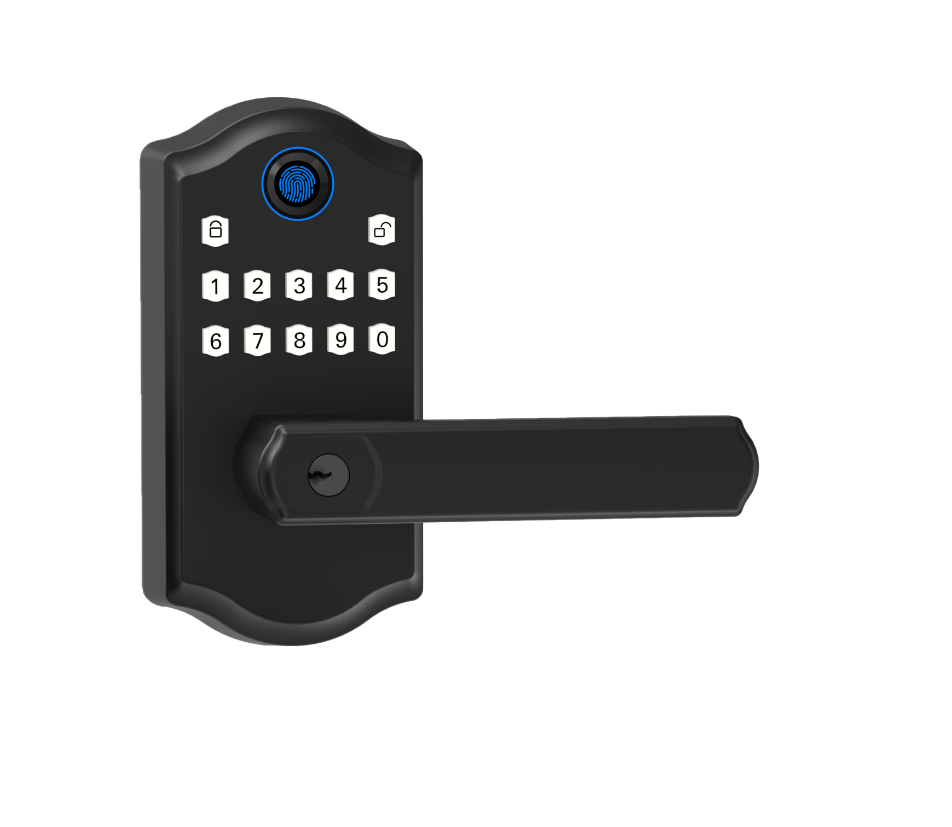
Ever walked into a locker room and reached for your phone instead of fidgeting with keys? We’ve spent two decades perfecting these CE-certified, app-controlled locks that chat with the cloud. You’ll see a soft LED glow and get battery updates in real time, like watching your phone’s power bar. Solid.
Your phone now doubles as a virtual key. Pairing via Bluetooth is as easy as tapping to sync your earbuds. The app issues single-use PINs and instantly notifies you if someone pries at the smooth metal faceplate. For a closer look, see RFID vs. Bluetooth Cabinet Locks: Which One is Better?
Ever wrestled with adding fifty fingertip prints to one locker? Our biometric locker locks use a biometric fingerprint sensor (a reader that checks your unique fingertip pattern) and voice activation in a single sturdy unit, perfect for shared gyms or office pantries. Commands zip through AES encryption (a top-tier security protocol) so your data stays locked up tight.
Back to our cloud-connected locks.
If you need a clear record, the audit trail logs every tap and code entry in seconds. High-end cloud-based models link right into your existing access control system via user-management APIs (tools that let different software share user lists). That keeps firmware updates and audit exports in sync, across hundreds of doors. Peace of mind.
Installing and Maintaining Keyless Locker Locks
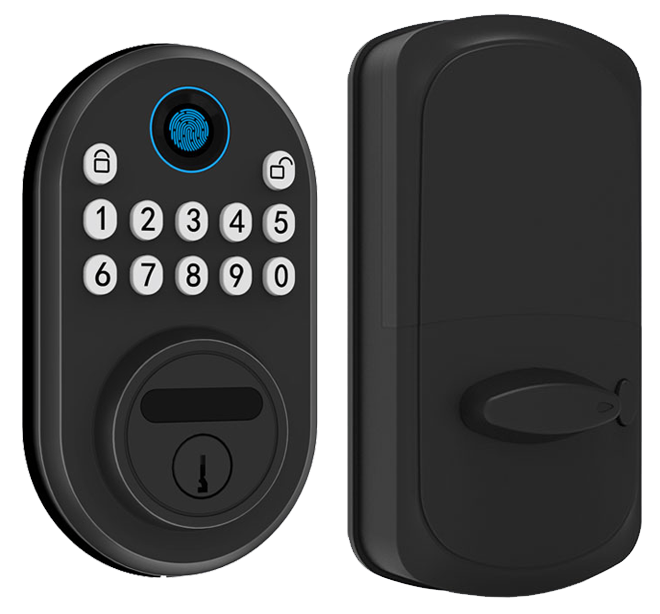
Here’s a quick DIY guide to install your keyless locker lock:
- Grab a ruler and measure the cutout on the locker door. Mark your screw holes.
- Position the housing (the lock’s main body) in either flush or surface style.
- Snap on the faceplate (the front cover) and tighten the retaining bolts.
- Press the lock button and turn the manual override key (emergency key) to hear that reassuring click.
When you hear a low-battery beep or spot a red LED, it’s time to swap batteries. You can use coin cell batteries (they last about five years) or AAA packs (good for around 15,000 openings). In cold rooms, choose CR123 lithium cells (a long-life battery that stays strong in low temps). If power dies mid-swap, plug into the battery override port (a backup power plug) to unlock, then finish the change.
For monthly upkeep, gently wipe the housing with a soft cloth. Feel the smooth metal faceplate and check the battery indicator light. Turn the manual override key a few times to keep it moving smoothly. If the keypad stops beeping or won’t accept codes, follow the troubleshooting steps in your manual. Still stuck? Give our support team a call before you force anything.
Over 10,000 locks installed worldwide.
Choosing the Best Keyless Locker Locks: Cost, ROI, and User Experiences
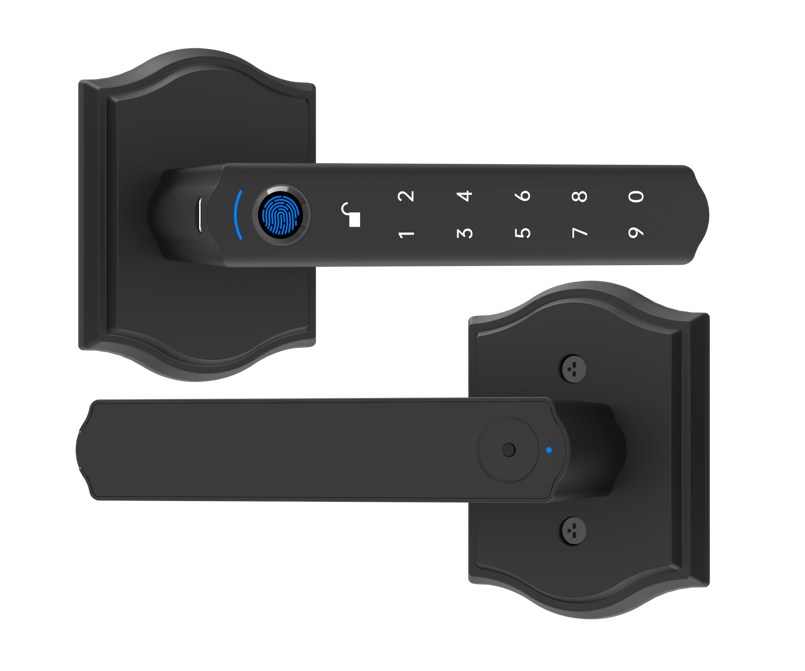
Keyless locker locks range from no-battery mechanical designs to full cloud-connected models. Mechanical locks rely on simple dial codes and push-button combos – like twisting a safe dial or punching in a code.
Digital units add illuminated keypads (light-up number boards) and manual override keys. RFID (tap badge or phone) options let you swipe like a credit card. And biometric fingerprint sensors (a reader that checks your unique fingertip pattern) plus cloud connections track access in real time and let you manage codes remotely.
Benefits & ROI
- Check-ins fly by and support calls drop. Facility teams say our smooth metal PIN-pad (number entry board) and tap-to-open system cut front-desk waits in half.
- That soft LED glow warns you before the batteries dip. Um, you’ll have time to swap cells and dodge lockouts.
- Cutting out metal keys can trim supply costs by up to 30 percent. No more key-cutting bills piling up.
- Detailed audit logs record every tap, swipe, and entry. Insurance providers love the proof – premiums often go down.
- Built-in tamper alerts shout when someone tries a forced entry. It stops vandal repairs before they start.
- Majority of customers see a full return on investment in six months or less. Solid.
Hmm, our top pick is Starlight Smart Locks. They’re CE and FCC certified, come with a two-year warranty, and include on-site support guiding you from spec to installation. That way you can focus on what matters, security.
Final Words
We tackled lost-key headaches and user frustration head-on.
We stacked mechanical, digital, and RFID locker locks side by side and dug into smart features like mobile provisioning and audit trails.
You’ve got a clear DIY install guide and a rundown on cost, ROI, and real-world feedback.
So your facility stays a step ahead and guests enjoy frictionless access.
Keyless Locker Locks deliver faster turnovers, fewer lockouts, and hands-on support.
Smooth, secure, and ready to roll.
FAQ
How do keyless locker locks work and how do you use them?
Keyless locker locks operate by PIN codes, RFID cards, or biometrics (like fingerprint sensors). You enter your code or tap a card, then hear a reassuring click as the latch releases.
What are the disadvantages of keyless door locks?
Keyless door locks can stop working when batteries die and need regular battery checks. They often cost more up front, and some users get locked out if they forget codes or cards.
Can keyless locks be broken into?
Keyless locks can be tampered with if they lack strong encryption or audit trails. Premium models add tamper alerts and review logs to deter code guessing or forced entry.
What’s the best keyless locker lock for gyms, schools, and workplaces?
The best keyless locker lock depends on your needs: mechanical combos for simple gyms, digital PIN locks for medium-traffic schools, and RFID systems for busy workplaces needing fast, multi-user access.
How much do keyless locker locks cost?
Keyless locker lock prices range from about $20 for basic mechanical combos, $50–$150 for digital PIN locks, and $70–$200 for RFID models. Starlight Smart Locks start at $X per door with a two-year warranty.
How do you reset a keyless locker lock without a key?
Resetting a keyless locker lock without a key usually involves removing the cover and using the master reset switch or code inside. Always check the installation guide or contact support.
Do keyless locker locks offer combination access?
Keyless locker locks offer combination access through mechanical dials or digital PIN keypads. Mechanical models handle up to 10,000 code permutations. Digital locks use 4–6 digit codes.
What are Schlage keyless locker locks?
Schlage keyless locker locks are durable digital units with a smooth metal faceplate, 4–6 digit PIN entry, a battery level indicator, and a backup manual key override.