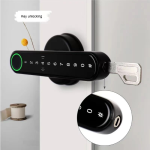
Tired of digging for jangly keys in your bag when you’re already late? Let’s make unlocking your door smooth and stress-free.
Keyless handle locks trade in old keys for a PIN code, a fingerprint scan (a reader that checks your unique fingertip pattern), or a simple touchscreen tap. You’ll love the smooth metal faceplate and the soft LED glow guiding your way.
It feels like moving from dial-up to high-speed internet. Smooth. Silent. Rock-solid secure.
No more lost keys. No more frantic lockouts.
In this post, we’ll walk you through five top keyless handle locks built to boost your home security. Want a secret? Auto-lock mode is a total game-changer. You’ll see how easy each one is to install, how that feature works, and how anti-tamper alarms keep you worry-free.
How Keyless Handle Locks Transform Security and Convenience
Keyless handle locks swap out clunky metal keys for a PIN code, a fingerprint scan (biometric fingerprint sensor that reads your unique fingertip pattern), or a simple touchscreen tap. It’s like moving from dial-up to high speed, smoother, faster, more reliable.
The smooth metal faceplate feels solid in your palm. A soft LED glow guides your hand at night. Then you hear that reassuring click as it auto-locks behind you. And if someone tries to pry or bump the lock, an anti-tamper alarm sounds.
Busy families, rental hosts, and office managers swear by this setup. It cuts out lost-key frustration and keeps unwanted guests out.
- No more hunting for keys, enter a PIN, flash your fingerprint, or tap your phone.
- Auto-lock mode clicks the door shut on its own.
- Anti-tamper alarm (alerts you if someone tries to force or bump the lock).
- Add or remove codes and fingerprint profiles in seconds.
- Long-life batteries with low-power alerts so you’re never caught off guard.
Next, we’ll compare lock types, share simple installation tips, dive into security specs and costs, and highlight the leading brands. That way, you can pick the perfect keyless handle lock for your space.
Comparing Keyless Handle Lock Types: Keypad, Fingerprint, and Touchscreen
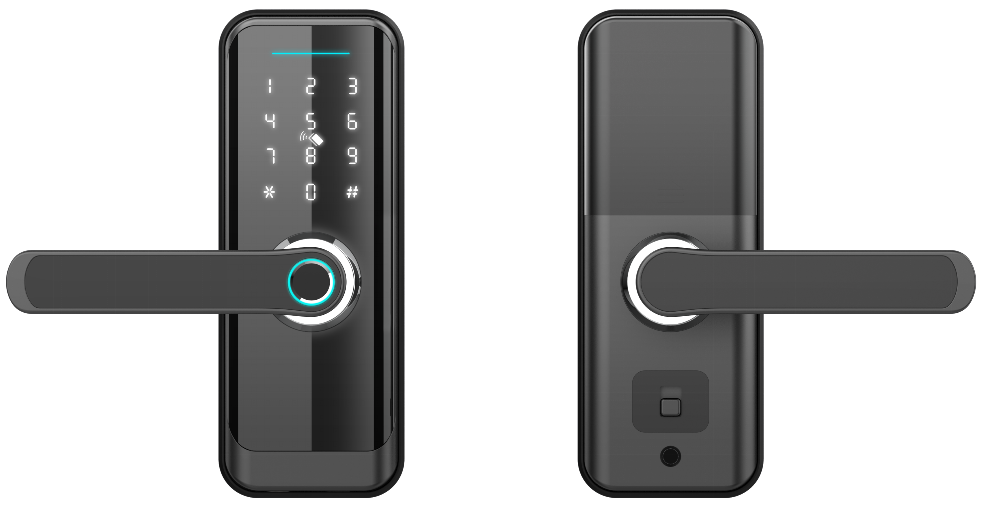
Choosing a keyless handle lock is all about code-entry ease, biometric accuracy, and style. The lock you pick shapes your daily routine, security level, and wallet. Some doors click better with tactile buttons, while others shine with a smooth glass pad. It pays to know what each style offers before you shop.
Keypad Handle Lock
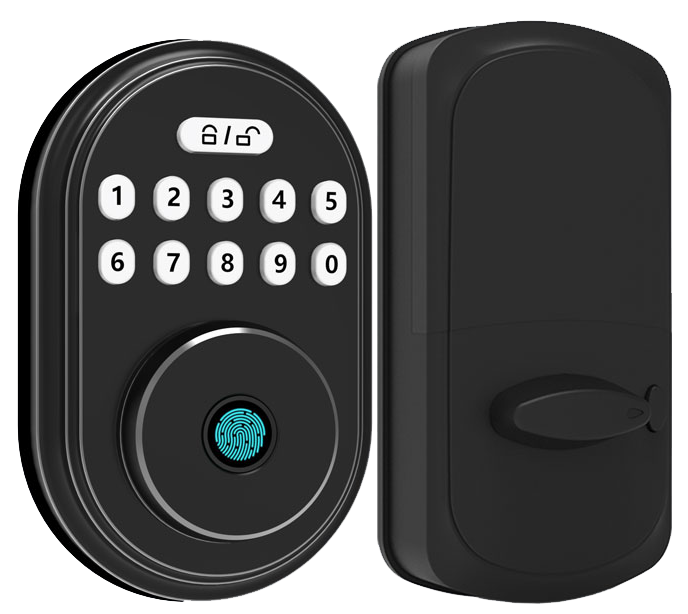
A keypad handle lock uses physical buttons to enter a 4–8 digit code. You get a reassuring click with each press. Most models pack in AES encryption (secure code scrambling) and anti-bump tech (blocks hammer-and-chisel attacks). You can change codes instantly. High-end units may even hold up to 50 unique PINs. Want to know a secret? Auto-lock mode is a game-changer.
Prices start around $50 for a basic kit. Add an alarm and auto-lock, and you’ll hit near $150.
Fingerprint Handle Lock
A fingerprint handle lock reads your fingertip patterns with a biometric fingerprint sensor (a reader that checks your unique fingertip pattern). Enrollment takes about 10–15 seconds per print, and you can store up to 100 profiles. Accuracy runs above 98 percent, so false rejects are rare. Built-in anti-spoof sensors and tamper alerts make this our top security pick.
These start near $120. If you want a metal faceplate and smartphone integration, prices climb past $300. Solid.
Touchscreen Handle Lock
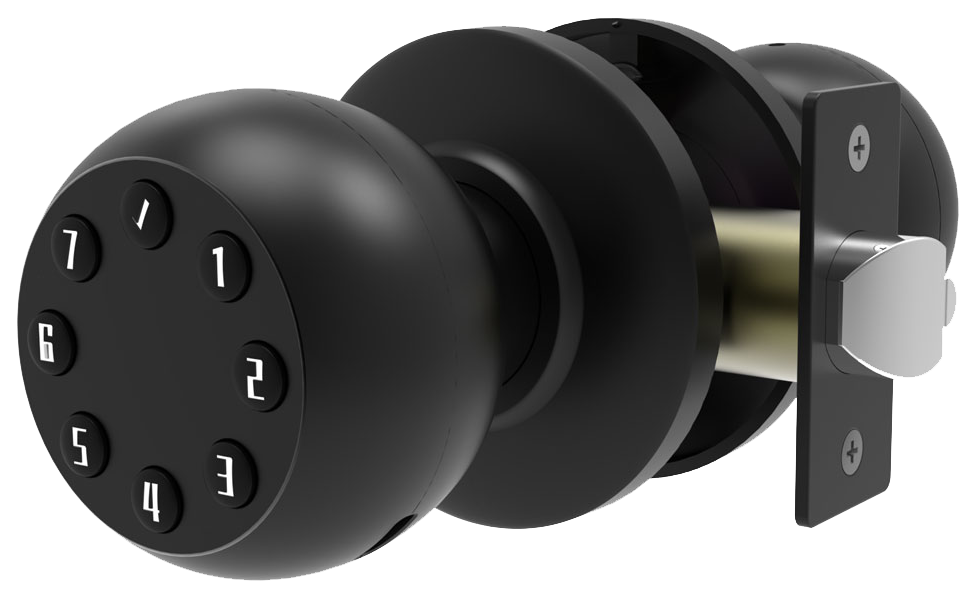
A touchscreen handle lock blends a sleek glass pad with backlit digits that glow softly at night. The panel resists scratches, and a steel latch sits behind layers of encryption and tamper alarms. Codes run 6–10 digits, and you can set timed access windows for guests. Think of it like a keypad with extra polish.
Touchscreen locks range from $100 to $250. A nice middle ground.
| Type | Security Level | Price Range |
|---|---|---|
| Keypad Handle Lock | Medium (encryption, anti-bump) | $50–$150 |
| Fingerprint Handle Lock | High (biometric sensor) | $120–$300+ |
| Touchscreen Handle Lock | Medium-High (encryption, tamper alerts) | $100–$250 |
Installing Keyless Handle Locks: A Step-by-Step Guide
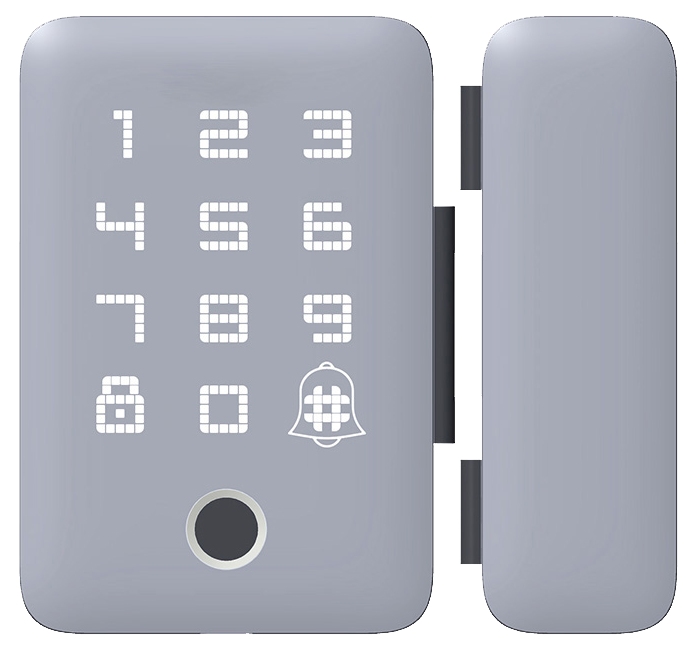
Before you start, grab a Phillips screwdriver, a power drill with a 1-inch spade bit, a tape measure, and a level. You’ll want to check that your door has a 2-1/8-inch bore hole, a 1-inch backset, and a thickness between 1-3/8 and 1-3/4 inches. Mark the centerline on both sides of the door. Then do a quick test-fit of the latch so you know it lines up nicely.
-
Remove the old lock: unscrew the interior screws and pull both halves free.
Solid. -
Slide the latch or mortise mechanism into the edge of the door. Make sure the smooth metal faceplate sits flush and snug.
-
Fasten the strike plate to the door frame. Use shims if you need a snug, even fit.
-
Hold the exterior keypad or touchscreen plate against the door and feed any wiring through the bore hole.
-
Align the interior assembly so the spindle and connectors meet up. You might hear a reassuring click.
-
Tighten all screws evenly. No wobbles or binding allowed.
-
Pop in fresh batteries or hook up the power module if you have a wired model. Look for the soft LED glow.
-
Enter your master PIN or follow the quick-start prompts right on the lock.
Want to know a secret? The auto-lock feature is a total game-changer.
When you open the Starlight Smart Locks app, tap “Add Device” and follow the setup guide. It walks you through fingerprint enrollment (if you have a biometric fingerprint sensor (a reader that checks your unique fingertip pattern)), code creation, and auto-lock timing. Think of pairing like connecting your headphones to your phone, just tap and confirm.
Troubleshooting tip: If the latch won’t retract or you hear the motor hum, double-check the wiring connections. Make sure no wires are pinched behind the mounting plate.
Keyless Handle Lock Security Specifications and Certifications
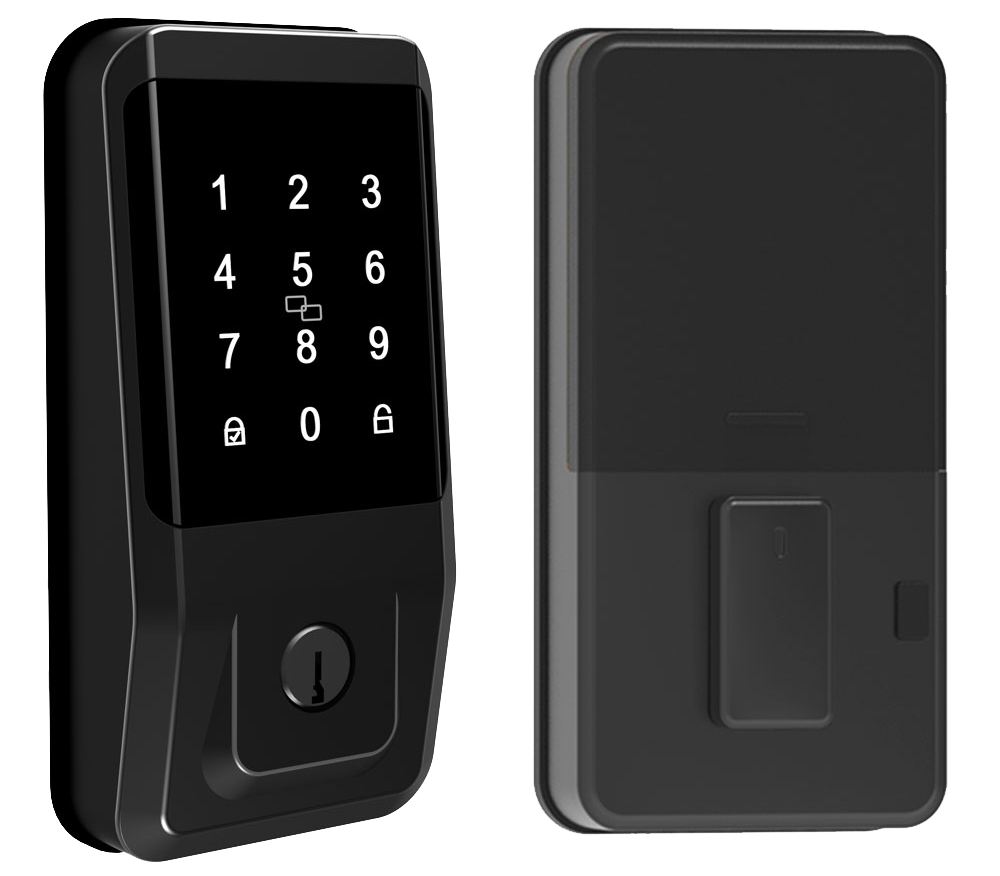
Most keyless handle locks use AES 128- to 256-bit encryption (strong code scrambling) to lock down your access codes. It’s like shuffling a secret deck of cards every time you enter a pin or fingerprint. Built-in anti-tamper circuits (sensors that catch drilling or forced entry) trigger alarms the moment anything looks off. Add steel pins, angled chambers, and shielded cylinders, and bump keys or picks won’t stand a chance. All of that comes wrapped in a smooth metal faceplate with a soft LED glow and a reassuring click.
Here are the core specs you should know:
- AES 128- to 256-bit encryption (strong code scrambling)
- UL 294 access control rating (tests security and endurance)
- CE/FCC certifications (meets European and U.S. safety rules)
- IP54 dust and moisture resistance (keeps out splashes and particles)
At Starlight, we take testing seriously. Each lock model carries a UL rating for forced entry, fire resistance, and cycle life. They earn CE and FCC marks after passing tough lab trials. Many also get an IP54 rating so rain, dust, or kitchen steam won’t slow them down.
Want to know a secret? We run every lock through sand chambers, salt-spray booths, and over 100,000 open-close cycles.
Twenty years of tweaks means even the trickiest break-in methods hit a solid wall.
Keyless Handle Lock Costs, Maintenance, and Troubleshooting Tips
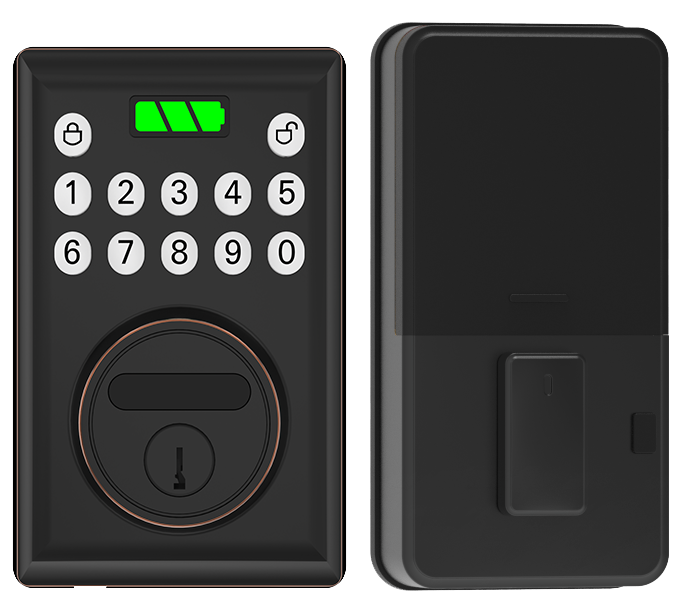
Keyless handle locks come in all shapes and sizes. You can grab a simple code lock for about $50. Touchscreen models land around $100 to $200. And if you want a biometric fingerprint sensor (a reader that checks your unique fingertip pattern), expect to pay $300 or more.
Budget models stick to basics. You get keypad entry and auto-lock. Midrange touchscreen handles often add backlit keys and a small LCD screen. Premium versions pack fingerprint sensors, smartphone control, and sleek metal faceplates with a soft LED glow.
Whether you’re locking down a family home, rental unit, or office door, these price tiers cover every need. DIY shoppers will spot clear labels at most hardware stores. Many stock them right off the shelf.
A little upkeep goes a long way:
- Clean metal contacts and sensor surfaces with a soft cloth.
- Wipe down the keypad or touchscreen to remove dirt.
- Spray the latch and deadbolt with graphite or silicone spray once a year (it’s like oiling a squeaky hinge).
- Tighten mounting screws so nothing wiggles.
- Check weather seals and swap worn gaskets as needed.
- Install firmware updates (the lock’s internal software) through the Starlight app for security patches.
Battery swap? Easy.
- Lift the cover on the inside of the lock.
- Slide out the old AA batteries.
- Pop in fresh alkaline AA batteries.
- Close the panel until you hear a reassuring click.
The LED ring should glow green. Then test a PIN entry to make sure you’re powered up. Fresh cells last about 6–12 months depending on use. Keep spares nearby so you never see that red warning blink.
Got code registration errors? Delete the bad entry and re-enroll your code with the quick-start prompts. Connectivity drops? Move closer to your Wi-Fi hub or restart your phone. Starlight Smart Locks offers a 3-year warranty and free customer support. Give us a call or shoot an email, we’ll walk you through any firmware fix.
Top Keyless Handle Lock Brands and Why Starlight Smart Locks Lead the Market
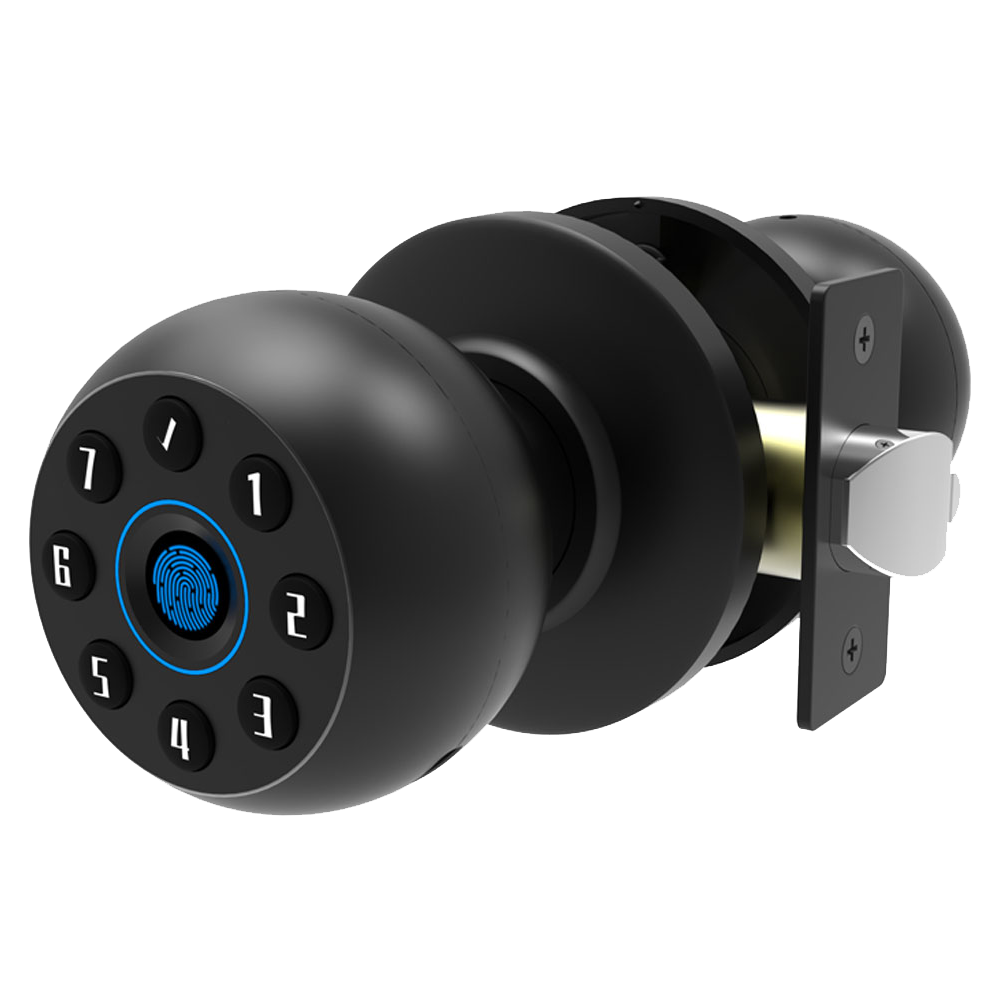
We looked at price, warranty length, user ratings from verified handle lock reviews, encryption standards (AES 128-bit (a strong code) or 256-bit (an even stronger code)), UL 294 (a safety rating for access control), and IP54 (dust and splash protection). We also noted how easy they are to set up, keypad or app-based programming, plus how many user codes they hold and finish options to match your style.
Then we weighed packaging quality, firmware update paths, spare part availability, and response time for customer support. You’ll see which brands deliver a smooth install, solid security, and a friendly hand when you need help.
| Brand | Avg. Price | Warranty | User Rating |
|---|---|---|---|
| Starlight Smart Locks | $120–$300 | 3–5 years | 4.7/5 |
| Yale | $100–$250 | 1–3 years | 4.3/5 |
| Kwikset | $90–$180 | 1–3 years | 4.1/5 |
| August | $150–$350 | 1–2 years | 4.2/5 |
| Schlage | $110–$240 | 1–3 years | 4.5/5 |
Starlight Hardware is a smart lock maker based in China that ships worldwide and holds CE (European safety mark), FCC (US radio approval) along with UL 294 certification. At home they blend into your door with slim profiles and finishes like matte black, brushed nickel, or satin chrome. The motor is whisper quiet and a soft LED glow guides each touch.
In hotels or offices they keep an audit trail of every open-close cycle. You can add codes in batches and manage locks over Z-Wave (wireless control) or Zigbee (another wireless network). Built-in tamper alarms and auto-lock mode give real peace of mind.
Each unit survives over 100,000 open-close cycles in sand, salt spray, and humidity tests. They back it all with a 3- to 5-year warranty, free firmware updates through the Starlight app, and 24/7 support. If the battery ever dies, a mechanical key override and a low-battery alert keep you moving.
Replacement parts ship fast from warehouses in North America and Europe. So you’re never stuck waiting. No fuss. No stall time. No wonder reviewers give Starlight a 4.7 out of 5 for reliability.
Final Words
In the action, we saw how keyless handle locks boost security and convenience. We compared keypad, fingerprint, and touchscreen models. We walked through a simple install guide and highlighted encryption, tamper resistance, and key certifications.
Maintenance tips, cost breakdown, and troubleshooting steps made keeping your lock smooth. Finally, we looked at top brands, with Starlight Smart Locks leading in reliability and support.
Ready to upgrade? Embrace seamless access with Keyless Handle Locks and enjoy peace of mind.
FAQ
What are keyless handle locks?
Keyless handle locks are electronic door devices that replace traditional keys with keypads, fingerprint scanners (reader that checks your unique fingertip pattern), or touchscreens for secure, convenient entry.
What benefits do keyless handle locks offer?
Keyless handle locks offer convenient access without keys, reliable auto-locking, tamper alarms, and no more lost-key worries. They boost security and streamline daily routines at home or work.
What types of keyless handle locks are available?
Keyless handle lock types include keypad locks with numeric codes, fingerprint locks reading biometric data (unique fingertip pattern), and touchscreen locks with backlit interfaces. Pricing and security features vary by model.
How much do keyless handle locks cost?
Keyless handle locks range from about $50 for basic keypad models to over $300 for advanced biometric units. Price reflects features like encryption strength, anti-tamper alarms, and brand reputation.
How do I install a keyless handle lock?
Installing a keyless handle lock usually fits standard door bores. You prepare the door, mount the latch, wire or insert batteries, then program codes. Most setups take 20–40 minutes with basic tools.
Are keyless handle locks secure?
Keyless handle locks use AES 128- to 256-bit encryption to protect access codes. They often include anti-pick features, tamper alarms, UL 294 and CE/FCC certifications, plus IP54 dust and moisture resistance.
How should I maintain and troubleshoot keyless handle locks?
To maintain a keyless handle lock, clean contacts, wipe the keypad, and lubricate the latch annually. Replace batteries every 6–12 months. For registration or connectivity errors, reset the lock or check wiring.
Why choose Starlight Smart Locks over other brands?
Starlight Smart Locks lead with 3–5 year warranties, robust AES encryption, UL and CE certifications, and a 4.7/5 reliability rating. Worldwide testing and free customer support ensure secure, worry-free use.