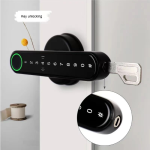

Think your patio door is safe with just a latch? You might be in for a surprise.
But old-school latches? They can be picked or pried open in seconds by someone who knows what they’re doing.
Electronic sliding door locks add military-grade protection to your glass doors. You tap a PIN pad (a keypad where you enter your code) or touch a biometric fingerprint sensor (a reader that checks your unique fingertip pattern). It’s like having a tiny security guard right on your door.
In this guide, we’ll walk you through five top-rated models. Each one pairs a smooth metal faceplate, CE certified (meets European safety standards), and smart features built for home security. You’ll end up knowing exactly which lock makes your most vulnerable entry feel bulletproof.
Models, Access Methods & Power Sources
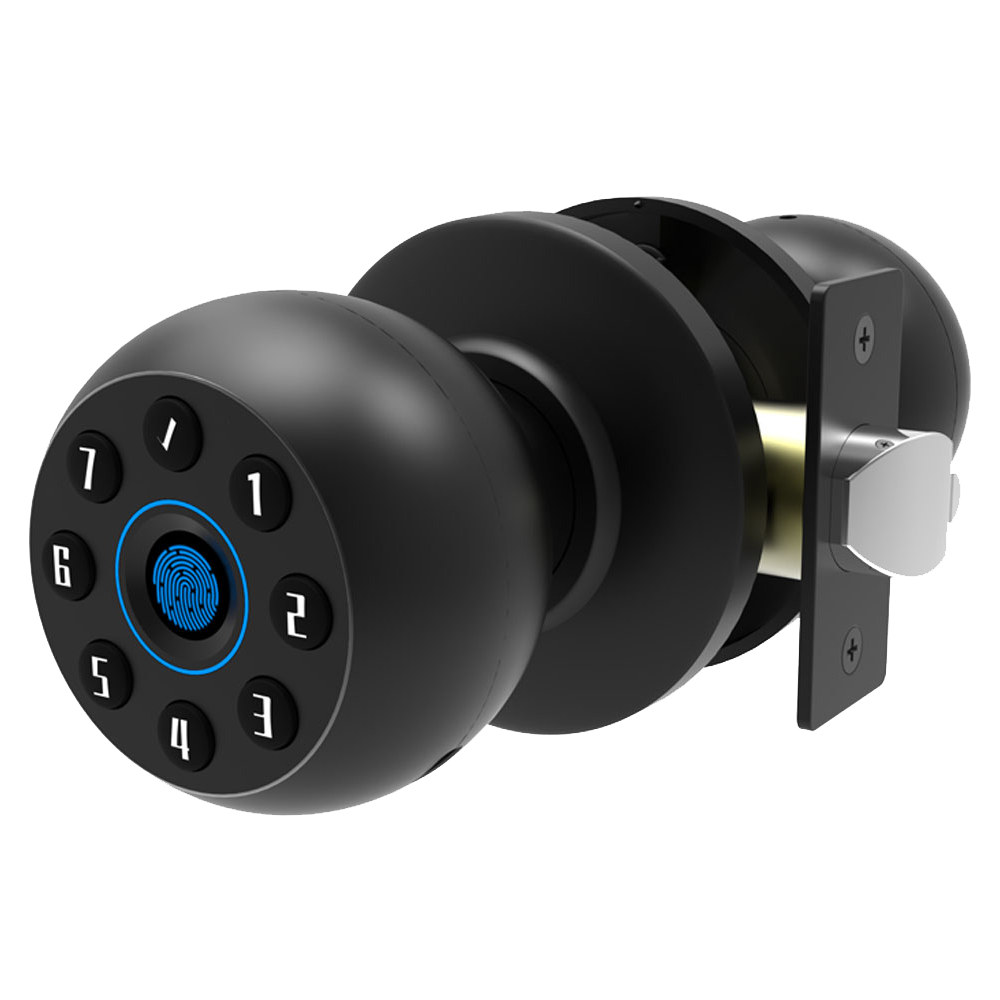
Electronic sliding door locks come in several styles to fit everyday needs. You might see a keypad with a smooth plastic faceplate where you enter a code. Some use an RFID card (like swiping a credit card) for quick, tap-and-go access. Then there’s a biometric fingerprint sensor (a reader that checks your unique fingertip pattern) for hands-free entry.
Most smart sliding door locks run on batteries. Basic units take AA cells you swap in seconds. Premium models pack a rechargeable lithium-ion battery (just like your phone battery) you charge every few months. Depending on your usage, a full charge lasts six months to over a year.
Worried about dead batteries? Some include a backup power module or let you dial a built-in emergency code to keep you moving. Reassuring.
Some locks need an existing mortise lock body in the door frame. You just slide the electronic unit onto that metal chamber. Other models snap into a standard opening with an integrated mortise mechanism. Either way, look for stainless steel or zinc alloy construction for solid tamper resistance.
Outdoor versions often have weatherproof seals to keep rain or dust out. And some WiFi slide-door locks team up with Bluetooth and a cloud app, so you can tap at the door or unlock from across town. It’s like carrying a master key in your pocket.
If you want a combo, get a keypad plus an RFID reader or a keypad paired with a fingerprint sensor on one slim faceplate. Basic keypad or RFID models run $100 to $150, while midrange combos and battery-backed kits land around $200 to $250. Advanced biometric or WiFi locks start north of $300. See Section 5 for the full pricing breakdown.
Comparison of Protocol Support & Mortise Integration
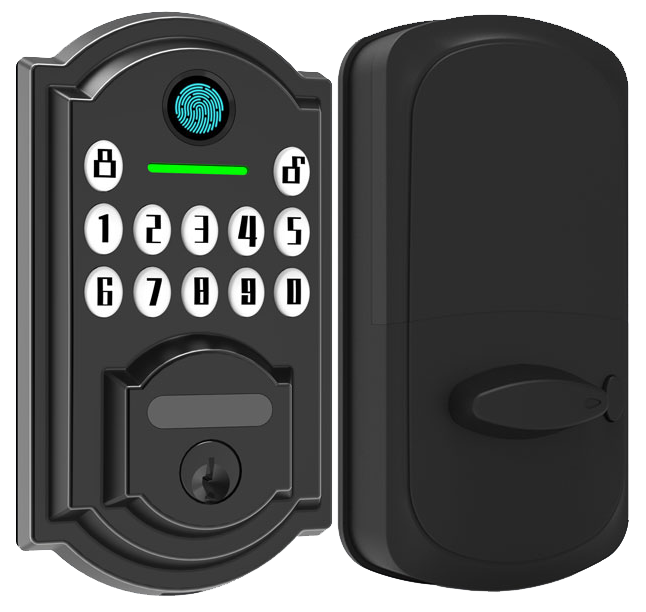
If you're comparing smart locks for sliding glass doors, start by hunting down two key details: the wireless protocols (how it talks to your devices) and whether it includes its own mortise body (the built-in lock chamber). Most battery-powered or keypad locks need their proprietary app to work. A few biometric locks (fingerprint readers) let you tap into Zigbee or Thread like other smart devices. Some models skip the mortise body, so you’ll need an existing lock chamber in your door.
Don't forget the finish. A smooth zinc alloy (a tough metal mix) or stainless steel faceplate (steel with a shiny coat) shows a reassuring click and stands up to forced entry.
| Model | Protocol Support | Mortise Integration |
|---|---|---|
| Lockly Athena | Proprietary Bluetooth/Wi-Fi | Requires existing mortise |
| Tuya Zigbee | Zigbee (Tuya ecosystem) | Requires existing mortise |
| Basic RFID Keypad | Proprietary radio/Bluetooth | Built-in mortise mechanism |
| Wi-Fi Biometric Smart Lock | Wi-Fi & Thread | Built-in mortise mechanism |
In the chart above, Lockly Athena sticks to its own Bluetooth and Wi-Fi setup. It won’t show up in Home Assistant (HA). You slide it onto the mortise (lock chamber) you already have. Great for retrofits. Not so simple on a fresh door.
Tuya Zigbee plugs into Zigbee networks but only inside Tuya’s closed system. It skips the mortise body, so make sure that lock chamber is ready in your door.
The basic RFID keypad lock cuts out extra hubs by using its own radio or Bluetooth link. It ships with a built-in mortise mechanism (lock chamber), so you can install it in one step.
And if you want a truly open smart home, the Wi-Fi biometric (fingerprint) lock is a winner. It runs on Wi-Fi and Thread, and it comes with a stainless steel mortise body that’s been impact-tested (tried against forced entry). This blend of open standards and built-in lock chamber means fewer surprises when you pair it with a hub or slot it into a brand-new door.
Models, Access Methods & Power Sources
- Numeric keypad (a smooth touchpad with firm buttons for entering your code)
- RFID cards or fobs for tap-and-go access
- Biometric fingerprint sensor (a reader that checks your unique fingertip pattern)
- Smartphone app for locking, unlocking, and checking status
- Wi-Fi-enabled models that link directly to your network for remote control
You can power your lock with standard AA batteries, just swap them out when they run low, or use a rechargeable lithium-ion pack (just like the one in your phone). Depending on how often you open your door, you’ll enjoy six months to over a year of runtime.
When power dips below 20%, an amber LED on the faceplate starts to blink, you’ll hear a soft chime, and the app sends a push alert to let you know it’s time to recharge or replace your batteries.
Installing our lock couldn’t be easier. It slides right into your door’s mortise pocket (the recessed cavity cut into the edge of the door). Clip-on models snap into a 25 mm hole without extra chiseling.
Mortise-in-a-box kits include the full lock body and matching trim, so you can outfit new doors or fresh builds in one go.
Our locks feature a stainless-steel deadbolt and a zinc-alloy faceplate to resist tampering. Outdoor-grade seals keep rain and dust where they belong, outside.
Self-locking mode gives you that reassuring click the moment you slide the door shut. Solid.
Pricing starts around $100 for basic keypad or RFID options. Midrange units with dual access methods sit around $200 to $250. Advanced biometric or Wi-Fi sliding-door models start above $300.
See Section 5 for all the pricing details and warranty info.
Who is the ABC Platform for?
If you run a small business or an agency and know a bit about tech but hate spending hours building automations, this is for you. Agencies in particular see an amazing return on investment (ROI) thanks to built-in client and multi-site management. It’s like having a personal automation team without hiring extra staff.
What is the ABC Platform?
The ABC Platform is a subscription that bundles two pieces of software, Visual Database and Automation Platform, with access to Scale By Tech’s automation vault. The SBT Vault is full of pre-built, production-grade automations you can plug in instantly. Think of it as a ready-made toolbox for all your workflow needs.
Why should you care?
Because you get everything you need, visual database, automation platform, and pre-built automations, in one neat package. You’ll be up and running fast, with minimal effort. And since real automation requires both a database and a platform, we just bundled them together.
Deploy & Enjoy
Tiger Spirit Animal
In the world of spirit animals, the tiger stands out for its raw emotion and primal instincts. This big cat symbolizes the power to trust yourself and make quick, bold moves. When you align with the tiger, you handle life’s twists on the fly.
What is the meaning of the tiger spirit animal?
At its core, the tiger spirit animal means:
- Willpower, personal strength, and courage
- The shadow parts you usually hide, anger, aggression, or unpredictable feelings
Life with the tiger is never dull. Pay attention to how it behaves and how you feel around it. That’s where you’ll find a deeper, more embodied understanding of your own instincts.
Elephant Symbolism & Spiritual Meaning
Across cultures, elephants symbolize power, wisdom, and reverence. These gentle giants have carried profound meaning for centuries, and they still do today. If you want to take charge of your life, the elephant might be your perfect spirit guide.
What does the elephant symbolize?
- Strength
- Power
- Wisdom
- Intuition
- Longevity
- Maternal instinct and motherliness
- Stability in our lives
- Physical strength and invulnerability
- Endurance and a desire for a long life
Power & Strength
Elephants can carry up to 16,000 pounds and still sprint 40 miles per hour. That raw muscle reminds you that true power lives inside you, too. Use it for good, whether you’re moving projects, helping others, or shaping your own future.
Through quiet reflection on the elephant’s qualities, you can boost your own strength. If you ever feel powerless, try breathing deeply, trusting your gut, or asking for help. Realizing that power comes from within is the first step toward feeling unstoppable.
Installing Electronic Sliding Door Locks: A Step-by-Step Guide
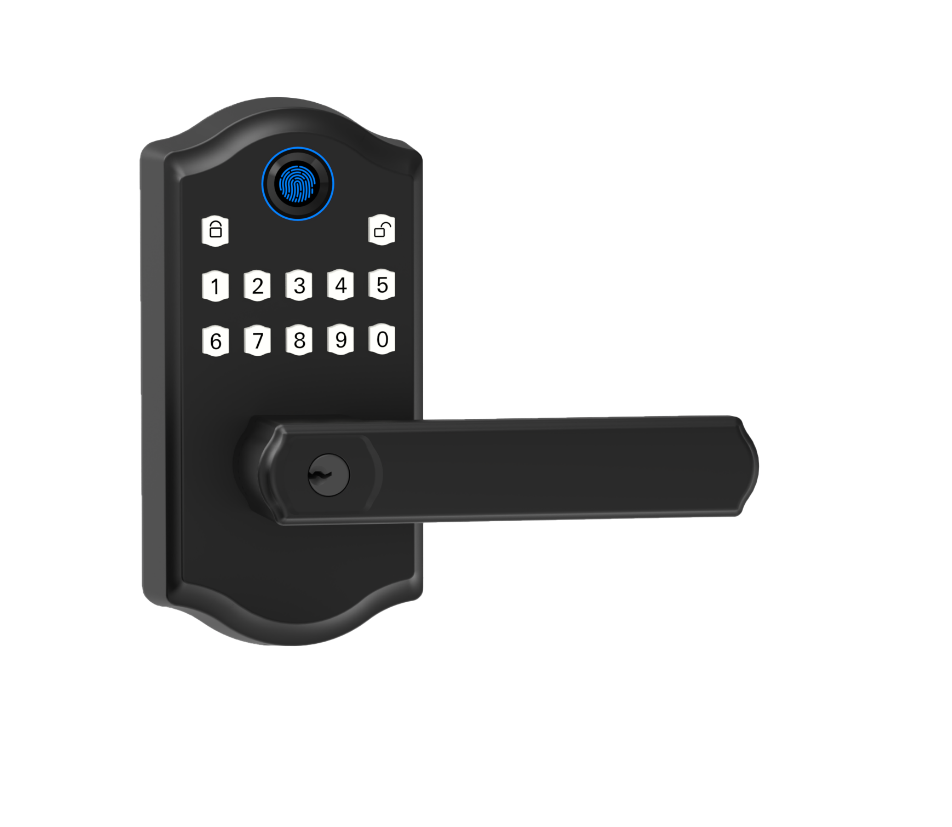
You just got your new electronic sliding door lock. Let’s walk through the setup together. First, measure the door thickness and note if the frame is aluminum or wood. Then grab a drill, screwdriver, and a retrofit kit (a hardware pack for older doors).
-
Prep the door.
Measure the door thickness and clear away any old hardware. You want a smooth metal faceplate before drilling. -
Align the template.
Tape the mounting template to the door edge. Mark your drill points with a pencil. -
Install the mortise (lock body).
Slide the lock chamber into the pocket you drilled. Or snap in the retrofit housing from your kit. -
Center the pin.
Slip in thin shims (small spacers) or a 3D-printed cover if needed. Make sure the lock pin sits perfectly in its hole. -
Hook up power.
Pop in AA batteries or connect a rechargeable battery pack (a battery you can plug in to recharge). If you’ve got a hardwired supply, hook that up. Want a tip? Add a UPS (backup battery) for extra peace of mind. -
Calibrate and test.
Enter your master code and listen for the reassuring click. Watch the soft LED glow as it powers up. Try locking and unlocking with the app or keypad. Adjust until it feels smooth.
Hmm, if the lock still feels off or won’t power on, double-check your hole alignments and battery contacts. For tricky wiring or fits behind drywall, a pro installer can save you hours of guesswork.
Over 10,000 locks installed worldwide.
Electronic Sliding Door Locks Security Features & Fail-Safe Options
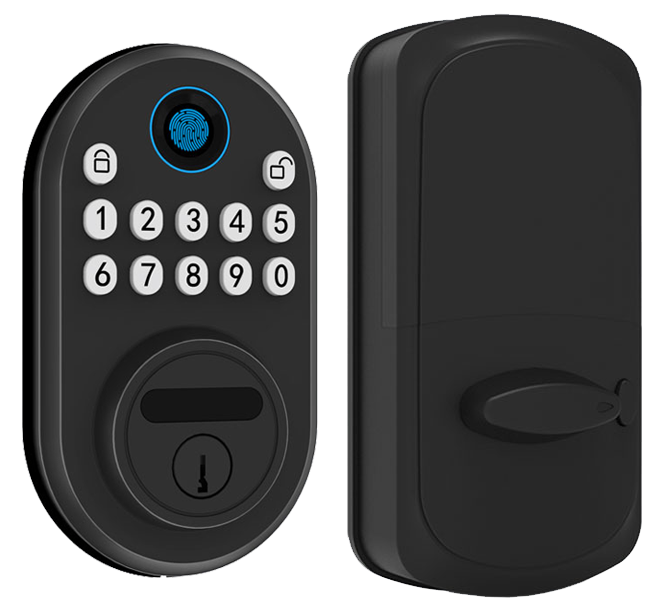
In a blackout, some electronic sliding door locks switch to unlocked. It feels odd, but it keeps you from getting stuck inside. You can hook up a UPS (uninterruptible power supply) or backup batteries to keep the lock engaged. It’s smart to sort this out before storm season.
Anti-tamper sensors keep an eye out for forced entry. If someone tries to pry or jiggle the latch, an alarm pops up, sounding a local siren. Some models even send a ping to your phone via Zigbee (low-power wireless network) or Wi-Fi. That way, you know what’s happening right when it happens.
Wireless commands travel through encrypted protocols (methods that scramble data into secret code) so eavesdroppers can’t grab your unlock signal. That makes cloning the code nearly impossible. Audit-trail locks keep a timestamped log (a record with date and time) of every code entry, card tap, or fingerprint scan. You can check who came and went, down to the minute.
Electromagnetic sliding door locks use strong magnets instead of springs. You barely hear a thing, just a reassuring click, and they often meet ANSI Grade 1 (top security standard). For glass doors facing weather and curious hands, tamper-proof glass door locks use drill-resistant materials and sealed gaskets to keep wind and intruders outside.
Electronic Sliding Door Locks Pricing, Warranty & Feedback
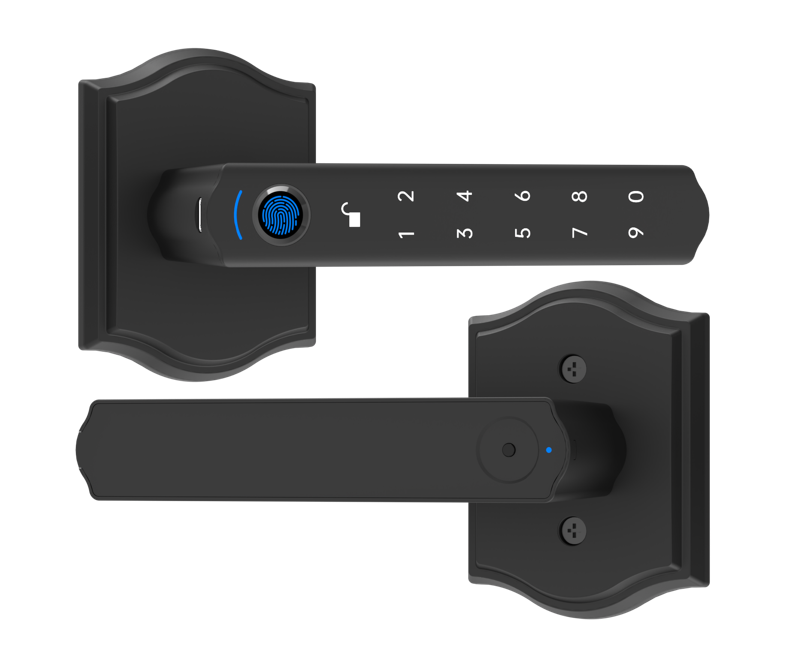
Pricing starts near $100 for a basic sliding door lock. You get a keypad (a crisp pin-pad that glows softly) or an RFID reader (tap like swiping a card). Each unit includes master and guest codes. Slide your door open with a reassuring click.
Solid entry-level security.
At $200-$250, you’ll find midrange combos. They blend keypad and RFID and often let you set temporary codes. It’s like having both a key tag and a password in one smooth metal faceplate.
High-end options climb to $350-$400. You’ll score a biometric fingerprint sensor (a reader checking your unique fingertip pattern) plus Wi-Fi connectivity. Unlock from your phone as easily as you’d check messages. Convenience at your fingertips.
Don’t forget power accessories. Backup batteries, UPS units (a mini power bank for your lock), or Zigbee plugs can add $20-$50. And a low battery alert? A total lifesaver. You won’t be stuck fumbling in the dark.
Most brands offer a 1 to 3 year limited warranty. That protects against factory defects but not things like poor installation or drained batteries. Some makers even offer extended service plans for extra peace of mind.
User feedback highlights:
- Multi-user codes: share access without swapping keys.
- Temporary codes: perfect for guests or delivery folks.
- Low battery alerts: nobody likes a dead lock.
- Biometric locks: they might need a quick fingerprint retune.
- Keypad locks: rotate your PINs regularly to stay one step ahead of code guessing.
Fully loaded kits can push into the mid $400s once you add every accessory. By weighing prices, warranties, and real-world pros and cons, you’ll find the perfect lock for your sliding door and your peace of mind.
Starlight Smart Locks for Sliding Doors: Recommended Choice
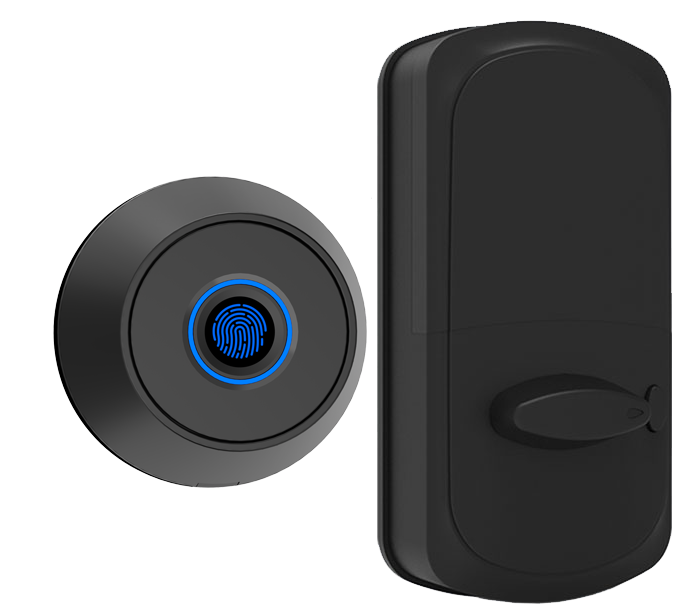
Have you ever felt jittery leaving your sliding patio door unlocked? We get it. Starlight smart locks snap into place with a reassuring click and a soft LED glow.
They carry CE and FCC certification (proof they meet top safety rules in Europe and the US). Their slim metal faceplate blends right in, and the lock handles multiple security systems in one device – no extra hubs needed.
You also get two years of direct factory support (help from the folks who built your lock). Over 10,000 sliding doors worldwide already rely on these locks. Solid.
Recommended model: smart door lock with keypad and key
- Built-in backlit keypad (buttons glow softly) plus a physical key override so you can always get in
- Firmware updates (software fixes and new features) and troubleshooting straight from the factory
Final Words
You’ve explored various electronic sliding door lock models, from keypad entry and RFID cards to fingerprint scanning and app control. We compared protocol support, looked at installation steps, and highlighted fail-safe options and security features.
We broke down pricing tiers, warranty details, and user feedback. Then we showed why Starlight Hardwares stands out with CE-certified, multi-protocol locks and two-year support.
Now you’re ready to choose the best solution for your project. Trust your space to Electronic Sliding Door Locks that blend reliability and convenience.
FAQ
What are the types of sliding glass door locks?
The types of sliding glass door locks include keyed latch or deadbolt models, keyless keypad and RFID card locks, biometric fingerprint sensors (scan your fingertip), and clamp-on or magnetic bolt designs.
What features make a keyless sliding door lock the best?
The best keyless sliding door lock offers biometric fingerprint scanning, secure keypad or RFID entry, durable metal housing, battery backup, smartphone app control, and CE-certified tamper alerts.
How do I pick a sliding door lock with key access from outside?
To pick a sliding door lock with key access from outside, look for models featuring an exterior cylinder or keyed deadbolt, a reinforced mortise lock body, and a weatherproof faceplate that resists tampering.
What is the best smart lock option for sliding glass doors?
The best smart lock option for sliding glass doors combines Wi-Fi or Bluetooth connectivity, a reliable smartphone app, biometric or keypad entry, CE and FCC certification, and a reinforced mortise mechanism for solid security.
Are there sliding door smart locks compatible with HomeKit?
Sliding door smart locks compatible with HomeKit include models with built-in Apple HomeKit support or those using HomeKit via a hub over Wi-Fi or Thread, allowing Siri voice control and secure encrypted pairing.
Does Yale offer a smart lock for sliding doors?
Yale offers a sliding door smart lock that supports Wi-Fi and Z-Wave connectivity, keypad entry, optional key override cylinder, and a slim faceplate that fits most glass door frames without major drilling.
Does Schlage make a smart lock for sliding doors?
Schlage currently offers smart locks designed for hinged doors; for sliding doors they recommend retrofit kits or compatible mortise modules to adapt their ANSI Grade 1 locks with keypad and Z-Wave support.