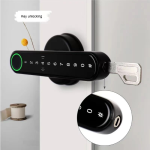
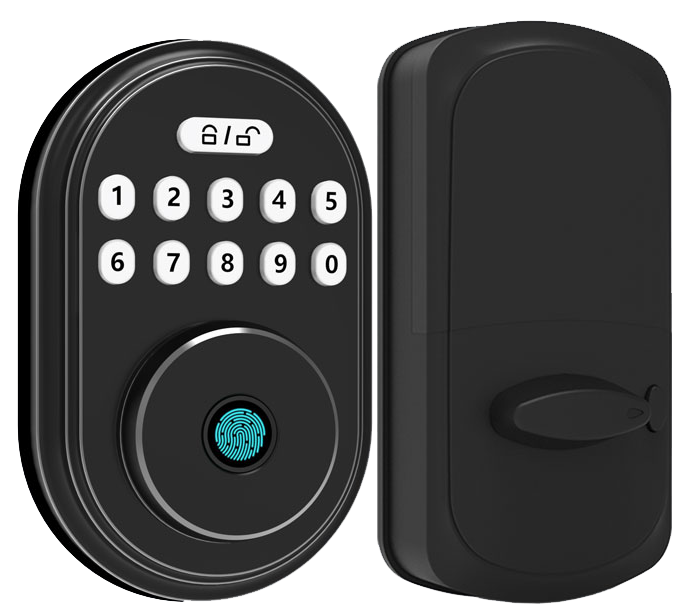
So, could your patio sliding door be rolling out the welcome mat for uninvited guests? Remote hackers (people who break in over WiFi) and a quick forget to lock up can turn security into a guessing game. Um, we thought the same, so we grabbed five top WiFi sliding door locks (door locks that connect to your home network) to see which ones truly hold up.
We looked at price, battery life, and must-have features like real-time alerts (instant notices on your phone) and seamless smartphone pairing (linking your phone with a tap). Each lock showed a soft LED glow on its smooth metal faceplate and gave a reassuring click when it latched. We also tested low-battery warnings (alerts telling you when it’s time to swap batteries) and one-touch auto-lock mode (locks itself with a tap) during months of real-world use, under sun, wind, and curious pet paws. Solid performance earned these models a spot on our list.
Ready for peace of mind at the touch of a screen? Here are the five WiFi locks we genuinely love. Let’s dive in.
Top WiFi Sliding Door Locks Compared

We took a close look at the best WiFi sliding door locks. We checked price tags, battery life, and must-haves like remote access and low-battery alerts.
Most cost between $100 and $300, running on batteries for six months to a year. That means long-lasting security without constant battery swaps.
We tested how sliding deadbolts respond to your smartphone and if they pair smoothly with patio door setups. We listened for the reassuring click and scanned for the soft LED glow on each model. You get solid protection plus instant access notifications.
Um, every lock lets you lock and unlock it from an app and sends an alert when someone opens the door. A few even let you set one-time codes for guests.
The pricier models add fingerprint scanners (a reader that checks your unique fingertip pattern) or link up with Alexa, Google Assistant, or HomeKit.
We listed regular retail prices. No sale deals or bundles here. Battery life is based on everyday use and standard app alerts. We wanted real-world numbers so you know what to expect.
If you need a sliding glass door lock that fits both budget and feature needs, these picks came out on top.
| Model | Price | Battery Life | Key Features |
|---|---|---|---|
| Starlight HomeBolt | $129 | 8 months | App control, low-battery alert |
| Starlight UltraSlide | $199 | 12 months | Fingerprint recognition, Alexa & Google integration |
| Competitor A | $149 | 9 months | Auto-lock, real-time notifications |
| Competitor B | $279 | 12 months | Fingerprint + keypad, HomeKit support |
The Starlight UltraSlide really shines. It balances long battery life, a biometric fingerprint sensor (a reader that checks your unique fingertip pattern), and smooth voice-control integration. At $199, it stays under mid-range but still offers five user profiles, guest-code scheduling, and low-battery alerts. Want a patio door lock that works with Alexa? Or a sliding deadbolt that auto-locks itself? UltraSlide does it all! Perfect for busy homes, remote renters, or anyone who wants top security with a side of convenience.
Security Features in WiFi Sliding Door Locks
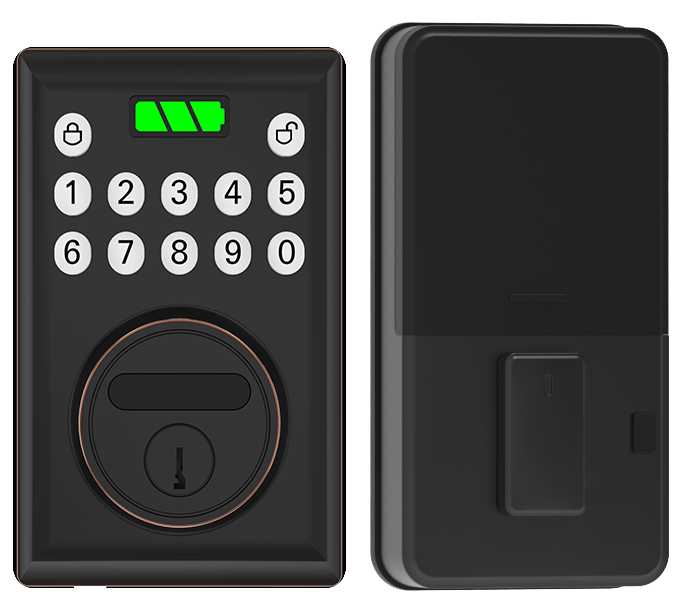
Picture the smooth metal faceplate on your sliding lock. Under the surface, AES-128 or AES-256 encryption (a top-grade code that scrambles data) keeps every signal locked down. It’s like a silent guard stopping hackers from eavesdropping on the handshake between your phone and the bolt.
Every lock has a door-position sensor (it checks that the metal catch is fully seated) and low-battery alerts. Think of that sensor as a little guard tapping before you step out. It makes sure the door is snug and the deadbolt clicks into place. When the battery runs low, you get a soft LED glow and an app alert. No more last-minute panics.
Some locks add a tamper-alert sensor (it spots forced-entry attempts). If someone jars the latch, you get an instant push notification. Seriously. It’s like having a night watchman on duty. Back to our lock.
Here’s a pro tip: update your PIN (your personal code) and app login every few months. And review the access logs (a list of who opened the door) every few weeks. That simple habit keeps unwanted visitors at bay.
Smart Home Integration for WiFi Sliding Door Locks
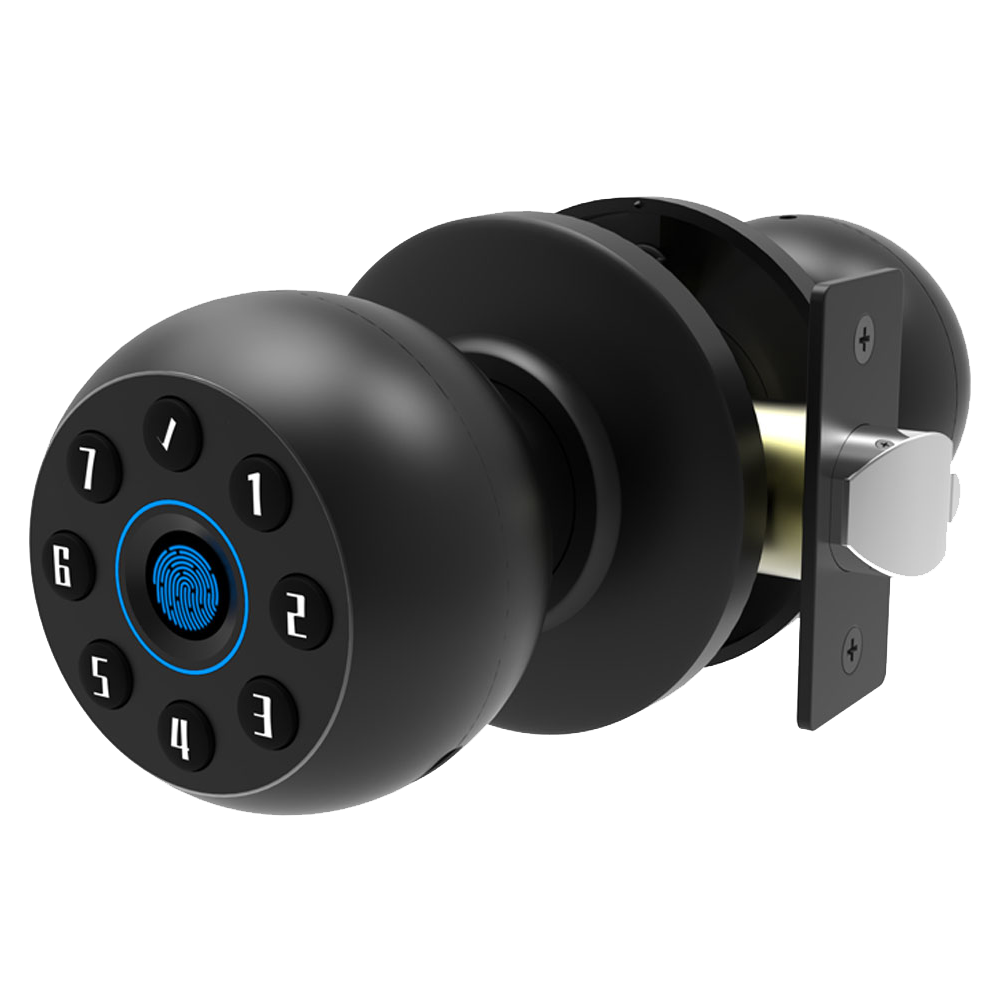
You can chat with Amazon Alexa to control your sliding door. First, just enable our Alexa skill for sliding-door voice control. It feels smooth, like a metal faceplate lighting up when it’s ready. You’ll love that reassuring click when it obeys.
With Google Assistant, you get direct voice commands for the slide latch. Say “Hey Google, lock the patio door,” and let it do the rest. It’s as easy as telling your phone what to do. Solid.
Apple HomeKit pairs right out of the box and uses geofencing (it unlocks when you walk up). No extra apps. Just approach and watch it unlatch itself.
Our cloud dashboard shows the bolt’s status in real time. You’ll see it switch from locked to unlocked and get push notifications on your phone, see Integrating Smart Locks with PMS / Smart Home Systems. Peace of mind in your pocket.
You can set up to 20 guest codes. Give a one-time code for the dog walker or a recurring code for weekly cleaners. Easy.
Installing and Setting Up Your WiFi Sliding Door Lock

So, setting up a WiFi sliding door lock takes about 15 to 30 minutes. You just need a Phillips screwdriver, a tape measure, and a small level. The sliding door installation guide (in the box) walks you through drilling pilot holes (small starter holes) and fastening the metal bracket to the door frame.
Next, check the latch alignment so the deadbolt seats squarely against the strike plate (the metal part that catches the bolt). You’ll feel the smooth metal faceplate click into place when it’s right. Then snap in the battery pack and attach the lock body. It’s as easy as clicking a toy together.
Now pair the lock to your home WiFi and the smartphone app. Want to know a secret? Our auto-lock mode is a game-changer. Set your favorite auto-lock delay, add PIN codes (personal identification numbers), and turn on low-battery alerts. When you tap “lock” in the app, you’ll see a soft LED glow and hear a reassuring click.
DIY Installation Steps
- Measure and mark the sliding-door track with a pencil.
- Fasten the bracket using the included screws.
- Snap on the lock body and test that the latch meets the strike plate.
- Open the app, enter your WiFi credentials, and pair the lock.
- Configure auto-lock timing and add PIN codes.
- Verify the door-position sensor (it knows when the door’s closed) and enable low-battery alerts.
Professional Installation Considerations
If your door is frameless glass or you need a glass-adapter kit, a pro can help. They know how to handle delicate glass without cracking or warping and reinforce the frame to meet fire-safety codes.
They’ll still follow the sliding-door guide but also run torque tests (checking screw tightness) and calibrate sensors (so they’re spot on). A CE certified technician will register your warranty on the spot.
Solid.
Peace of mind.
Pricing and Warranty for WiFi Sliding Door Locks
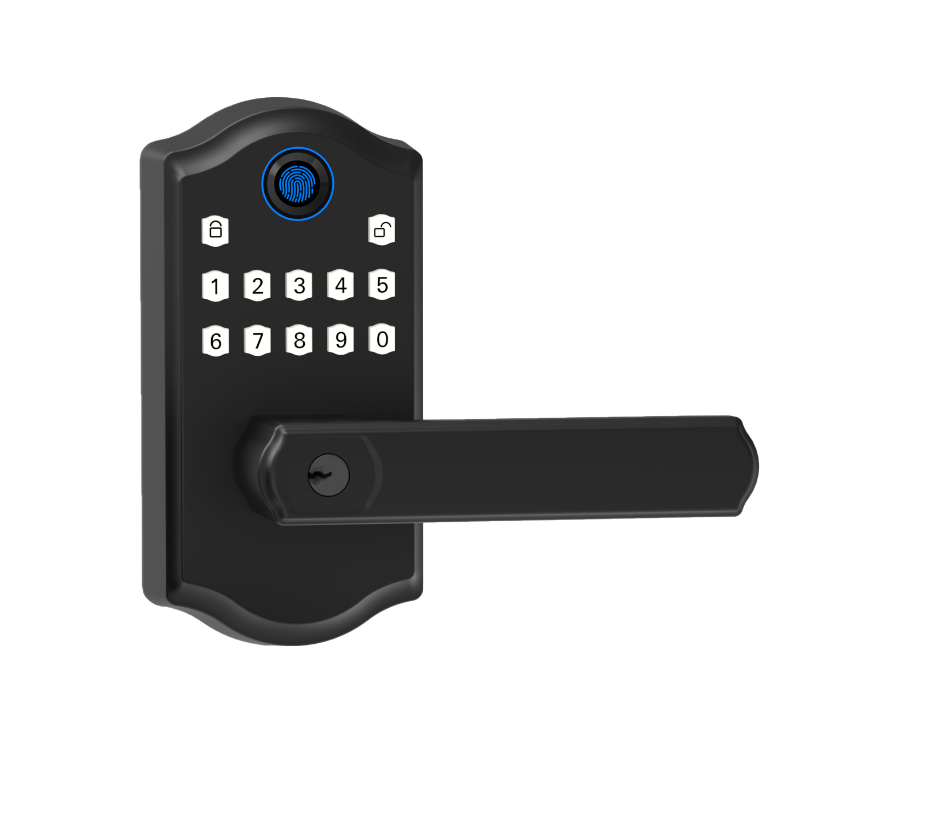
Shopping for a WiFi sliding door lock? Here’s a quick price snapshot.
Entry-level models start around $100. You get app-based locking, basic status alerts (the soft LED glow tells you if it’s locked), and low-battery pings. Solid.
Mid-range options, at $150 to $200, add auto-lock timing that makes the door click shut on its own, guest-code scheduling, and voice compatibility with Alexa or Google Assistant, so you’ll get hands-free control. Nice, right?
Premium units top $300. They pack a biometric fingerprint sensor (a reader that checks your unique fingertip pattern), a keypad backup, and they’re on both major smart home platforms. Solid.
Most brands include a one- to two-year warranty. Hmm, want extra peace of mind? You’ll often be able to buy an extended plan.
Just register your lock within the first few weeks and keep its firmware up to date. Firmware updates patch security bugs and they’ll even extend your support window.
Some manufacturers also offer service plans like annual maintenance or hardware swaps, so you’ll keep everything running smoothly.
Troubleshooting WiFi Sliding Door Lock Issues
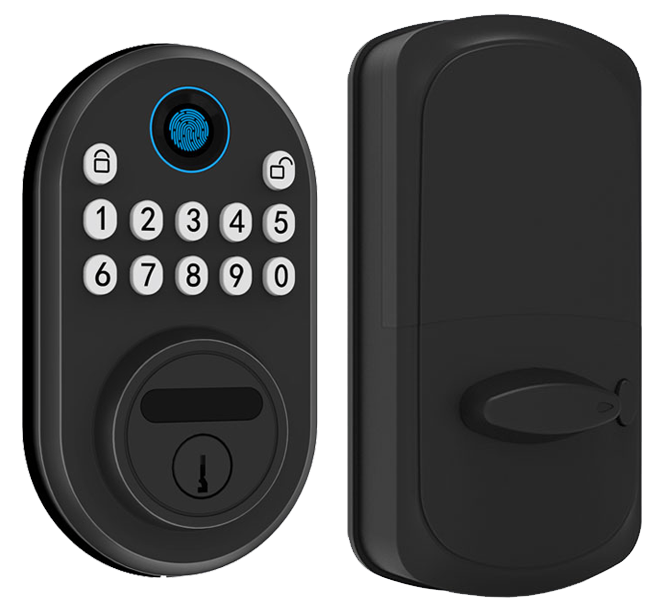
When your sliding door lock keeps losing WiFi, start by checking how far your router is from the lock. Thick walls, metal frames, or other gadgets can block the signal. Try moving the router or the lock’s base unit closer. And if you’re on a dual-band network, switch to the 2.4 GHz band (the WiFi channel that cuts through walls best).
Keeping your lock’s firmware (the software inside the lock) up to date can save you headaches. In the smartphone app, go to Settings > Device Info, then tap Update Firmware and let it finish without powering down. New firmware patches bugs, boosts stability, and may even add cool features. It’s like giving your lock a fresh coat of polish.
If the lock still misbehaves, try resetting the smart latch. Insert a paperclip into the little pinpad reset hole and hold for ten seconds until the LED (light-emitting diode) blinks red. That wipes your network settings and sends the lock back to factory defaults. After that, pair it again and set up low-battery alerts in the app so you get warnings days before the batteries run flat.
Why Choose Starlight Smart Locks for Your WiFi Sliding Doors

Every Starlight lock uses dual-band WiFi (2.4 and 5 GHz) to avoid interference and keep your connection rock steady. No more dropped signals or buffering when you’re on the porch.
Its 12-month battery life means you won’t climb a ladder more than once a year. Think of it as a full year of hassle-free power.
Each lock endures coastal humidity tests and sub-zero trials down to 4 degrees below zero Fahrenheit. It stays rock-solid by the beach or in a snowy cabin.
Built in China under CE (European safety mark) and FCC (US radio rules) certifications, these locks meet export-grade quality standards. Solid.
You can set up to 100 guest profiles, everything from long-term tenants to weekend visitors. And you can tweak them in seconds.
We ship worldwide, complete with easy step-by-step guides and pro support standing by. You’re never on your own.
Explore full specs on our digital door lock for home security page.
Final Words
Comparing top WiFi Sliding Door Locks side by side showed price ranges, battery life, and standout features. We covered encryption, sensors, and tamper alerts for hotel safety. Then voice assistants, app controls, and easy DIY vs pro installs.
We looked at price tiers, warranty tips, and quick fixes for dropouts or resets. Starlight UltraSlide shines with CE/FCC certification and smart reliability.
You’re set to upgrade guest access and security with WiFi Sliding Door Locks.
FAQ
What are the top WiFi sliding door locks?
The top WiFi sliding door locks combine remote control, real-time alerts and six-month battery life. Prices range $100–$300. Leading models include Starlight UltraSlide, Schlage Encode, Yale Assure and Amazon-branded options.
Are there smart locks made for sliding doors?
Smart locks for sliding doors use WiFi or Bluetooth to secure patio and glass panels. They attach to existing latches, offer PIN codes or fingerprint access (a reader that checks your unique fingertip pattern) and work with most sliding door tracks.
Which brands offer WiFi sliding door locks?
Brands offering WiFi sliding door locks include Schlage, Yale and Starlight Hardware. Amazon also carries house-brand options. Compare features like encryption level, battery life and app support before choosing.
Do any sliding door locks support Apple HomeKit?
Several sliding door locks support Apple HomeKit. Look for HomeKit-enabled models like Yale Assure or Starlight UltraSlide. They display a HomeKit icon and pair via your iOS Home app, just like adding a smart bulb.
Is it safe to use a WiFi door lock?
A WiFi door lock is safe when it uses AES-128 or AES-256 encryption (secure coding), tamper alerts and regular firmware updates. Pair it with a strong PIN code and review access logs often for extra peace of mind.
Should I choose WiFi or Bluetooth for a smart lock?
WiFi offers remote control from anywhere but uses more power. Bluetooth relies on close-range pairing, extending battery life. Choose WiFi if you need off-site access, Bluetooth for longer runtime.