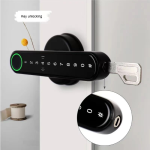
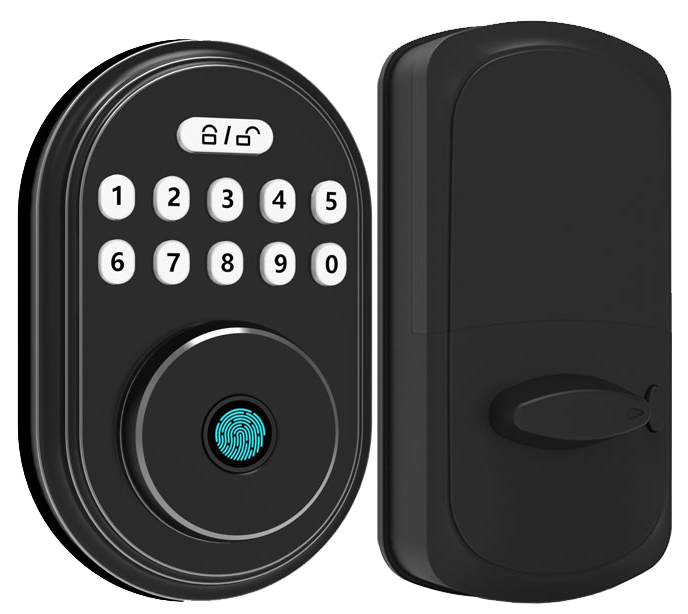
Did you know nearly one in three home break-ins start through unprotected glass doors? Those clear, smooth panes make your space feel bright and open. But enough push and they can splinter in a second. Solid.
Smart glass door locks mix that see-through look with serious security. They attach to frameless doors with a slim metal faceplate. You get a soft LED glow and a reassuring click when you lock or unlock. They block forced entry and even let you send temporary codes from your phone.
Each lock is CE certified (meets top safety standards) and field-tested for over twenty years. You can trust the build and the performance. Ready to keep your view clear and your home locked down?
Here are five standout models.
Overview of Smart Glass Door Locks: Features, Connectivity, and Security
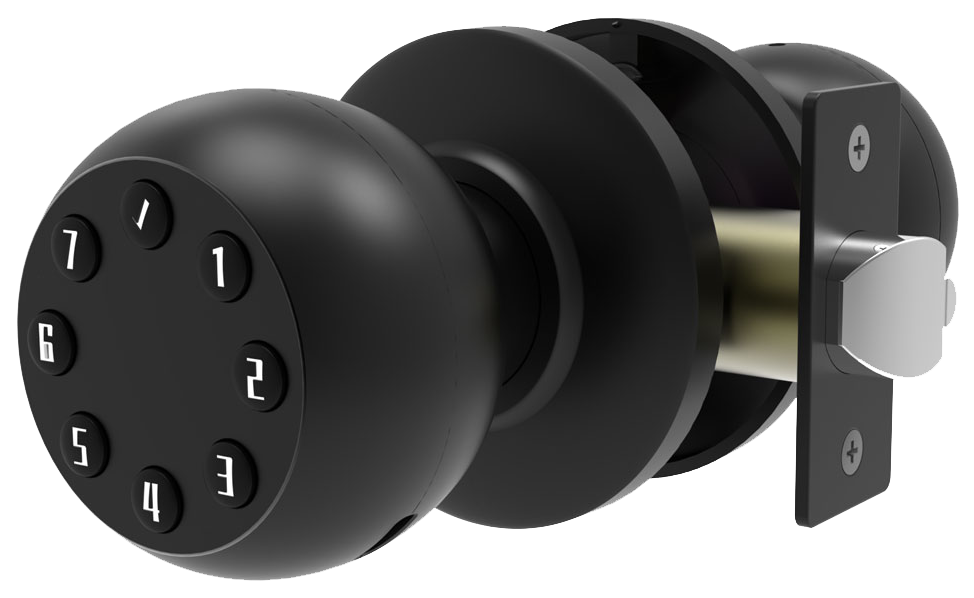
Smart glass door locks bring electromechanical access (using electronic parts to lock and unlock) to frameless and paneled doors. They use a slim patch fitting (a thin metal plate that sticks to glass) or a clamp-style fitting (a clamp that grips the glass edge). The smooth metal faceplate meets the pane without blocking light or changing your view. Perfect for modern offices, retail storefronts, and sleek home designs.
We’ve spent over 20 years testing these locks in labs and real doors around the world. Each one carries CE certification and, you know, a reassuring click you can feel.
Solid.
Connectivity is flexible. Um, some models use Wi-Fi (wireless internet) so you can check and grant entry from anywhere. Others rely on Bluetooth (short-range wireless) for quick, hands-free access when you’re nearby. Battery-powered setups skip wiring through glass, just swap AA batteries. And there’s a manual key override (a little backup in your pocket).
Optional antibacterial coating (kills germs on high-touch parts) adds a clean touch. Want to know a secret? That coating is CE certified too.
- Multi-user access via PIN code (a short number you punch in), RFID card, or smartphone
- Remote and temporary codes for guests, cleaners, or service staff
- Wireless protocols: Wi-Fi, Bluetooth, Z-Wave, Zigbee (works with your smart hub)
- Battery-operated design with manual key override (in case batteries die)
- Anti-tamper sensors (they detect forced entry) and optional antimicrobial surfaces
These features hit all the marks for a keyless entry system on glass panels. They blend security and ease with a soft LED glow to guide you in dim light. Plus they plug right into your smart home or building system without hiding the view. Over 10,000 locks installed worldwide.
You get strong access control and keep the beauty of glass.
Technical Specifications and Glass Door Compatibility for Smart Glass Door Locks
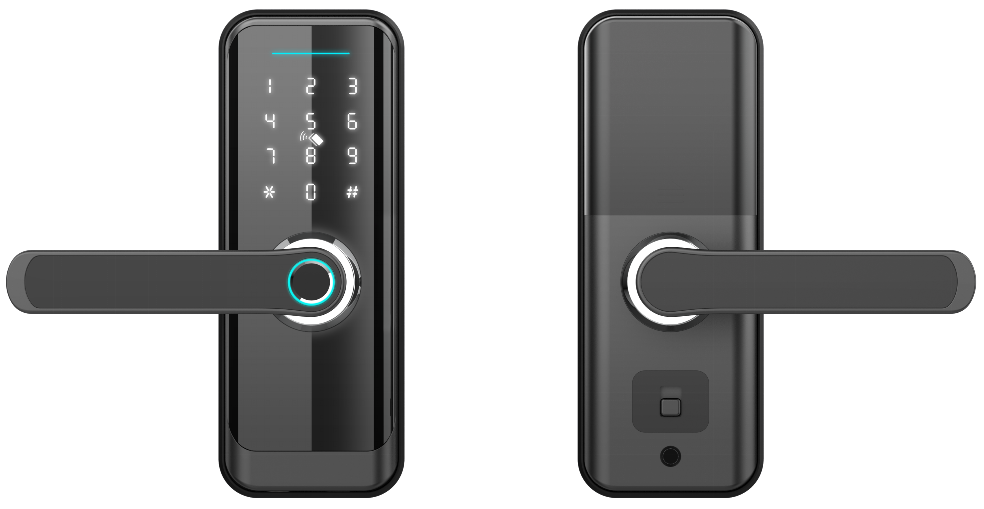
Electronic locks for frameless glass doors often use patch-type or clamp-mount systems that grip 8-12 mm tempered glass. These setups include built-in stops so the lock won’t slip under load. For thicker panels (10-15 mm), you can add clamp-on adapters or specialized mortise fittings. Measuring is easy, just grab a feeler gauge, line up the adapter plates, and tighten the clamp screws until the soft rubber liners hug the glass edge. Clean lines. No fuss.
Most lock bodies are ultra-slim, under 35 mm deep, so they sit almost flush on your glass panel. They sport a smooth stainless steel faceplate or a PVD coating (a protective metallic coating) to resist scratches and corrosion. A soft LED glow signals lock status. Inside, the electronics nestle behind an IP55-rated seal (dust proof and splash resistant). Rain or cleaning spray won’t short it out. Perfect for an outdoor foyer or pool enclosure. Want to know a secret? These locks stay on guard even in humid spots.
Always check for ANSI/BHMA grade 2 or 3 ratings to know how tough the lock is. A grade 3 unit handles constant high traffic. UL listing means the lock body resists forced entry and fire. Weather seals rated from -20°F up to 140°F show it meets building codes and keeps glass doors secure for years. Solid.
Access and Control Options with Smart Glass Door Locks
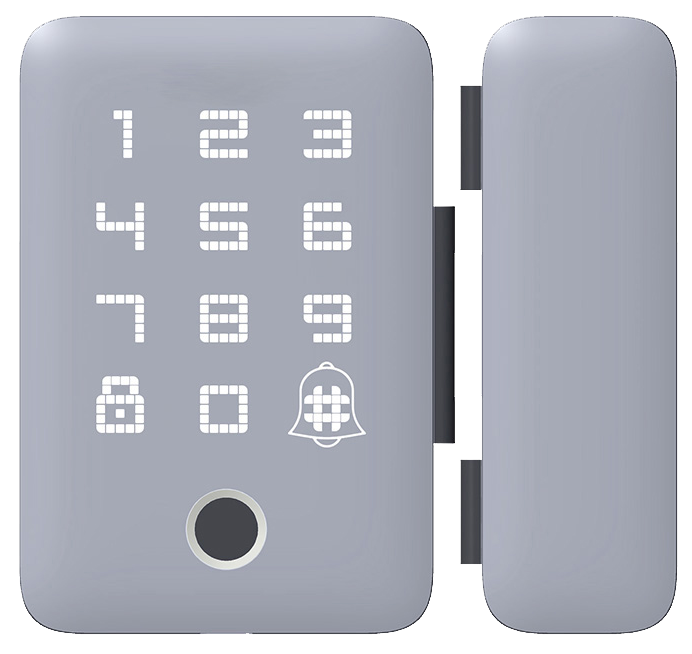
Many smart glass door locks let you use a biometric fingerprint sensor (a reader that checks your unique fingertip pattern), a PIN keypad (a small panel of buttons), or an RFID card reader (a tap-and-go chip card) on their smooth glass faceplate. You swipe your finger or punch in your code, then hear that soft click as the latch slides back. Some systems even ask for two steps – like a card plus a fingerprint – so only the right combo lets you in. Security you can trust, wrapped in sleek glass.
And your phone can become a virtual key. Whether you’re on the patio or across town, a tap in the mobile app unlocks the door. Every entry attempt gets logged with a date and time stamp, so you always know who’s coming and going. Need to let in a cleaner or dog walker? Just generate a temporary passcode (think NetCode® tech) and set it to expire in hours or days. It’s like handing out a key that disappears when you don’t need it anymore.
And there’s voice control too. Ask Alexa or Google Assistant to open the door hands-free. Some locks pair with NFC key fobs (tiny tags you carry) for a quick wave-and-go moment. Hosting guests? Grant one-time access, then revoke it with a tap in your app. Convenience, meet rock-solid security.
Installation and Retrofit Guide for Smart Glass Door Locks
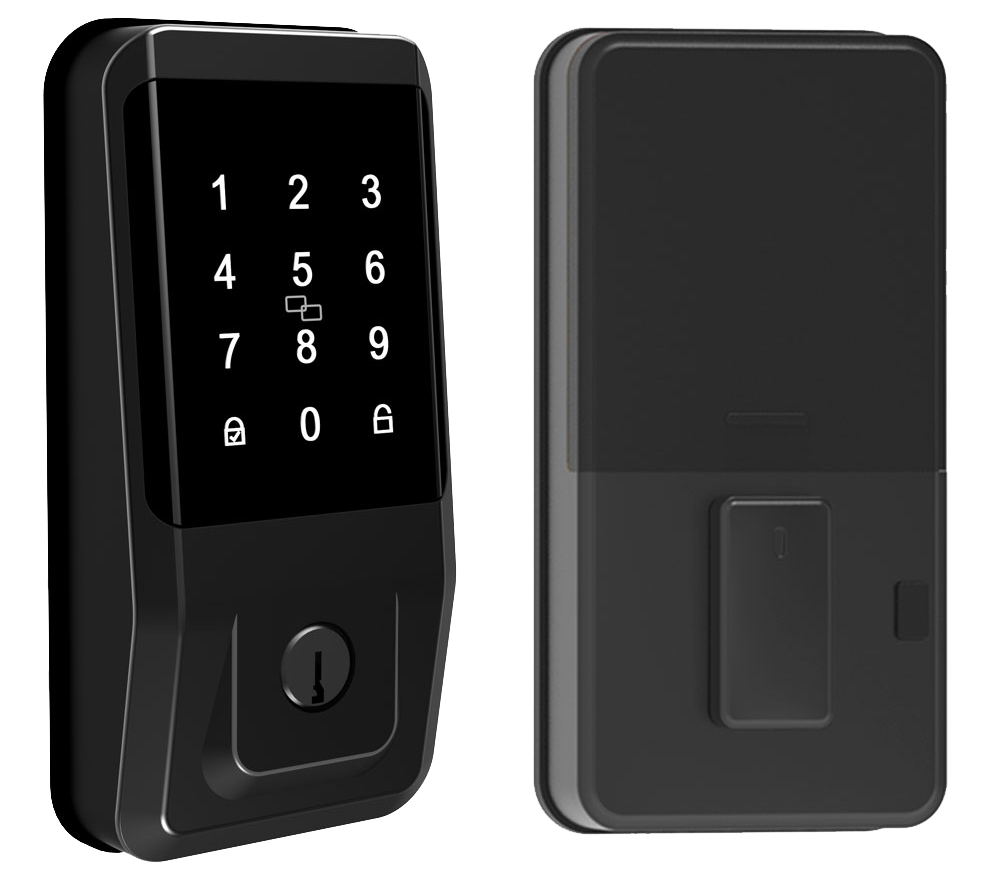
Smart glass door locks can clamp onto your panel in different ways. Clamp-on adapters grip the glass edge with soft liner pads (soft pads protect the glass) – no drilling needed. Patch locks use set screws behind a slim metal plate that presses against the glass face. Mortise adapters fit into pre-cut hinge pockets for a clean, hidden look. You can even order reliable retrofit kits from smart lock manufacturer China when you get your gear.
Here are the specialized tools that keep the job precise and safe:
- Glass-stabilizing suction jig (a tool with suction cups that holds heavy panels steady)
- Torque-limited hex driver (tightens screws just enough to avoid cracking glass)
- Digital caliper (measures panel thickness down to 0.01 mm)
- Feeler gauge set (checks clamp gaps for a snug fit)
- Glass-safe marking pen (leaves erasable lines for drill points)
Start by measuring the panel thickness with the caliper. Then mark your mounting holes with the glass-safe pen. If drilling is needed, choose a carbide-tipped bit and go slow. Back the hole with a scrap block to prevent chipping. Slide the clamp or patch lock into place, align it with your marks, and tighten the set screws with the torque-limited driver. For mortise adapters, insert them into the hinge pocket, level the body, and secure with the manufacturer’s screws. Accuracy here means smooth operation later.
Always wear cut-resistant gloves and eye protection when handling glass. Lay panels on a padded surface to prevent scratches. Keep all hardware sorted in labeled containers so you don’t mix screws.
Professional installation usually takes one to two hours per door. Ready-to-go guides and video tutorials from most brands will walk you through every click and turn.
Security Ratings and Anti-Tamper Features in Smart Glass Door Locks
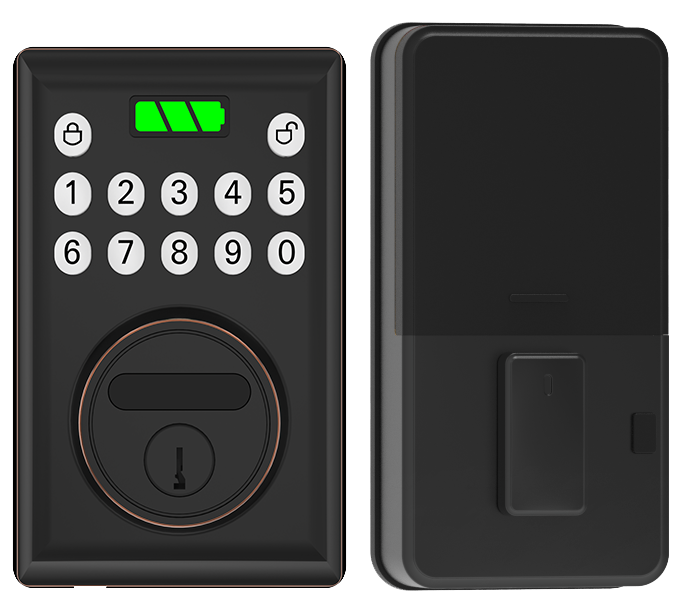
High-end smart glass door locks use vibration sensing algorithms (software that watches for unusual movement) to catch forced entries or brute-force shakes. After three wrong PIN tries (personal identification number), the lock seals itself. And you get a push notification on your phone, so you know right away someone’s tampering. Peace of mind.
Along the smooth metal faceplate, a pulsing red LED light (light-emitting diode) flashes a warning. It stops a pry job before it reaches the latch. Solid.
When the battery runs out, just snap a 9-volt battery onto the external input port. Power comes back in seconds. Look for UL 294 certification (access control safety standard) and an ANSI/BHMA Grade 2 or 3 rating (commercial durability levels).
Comparing Smart Glass Door Lock Models and Pricing
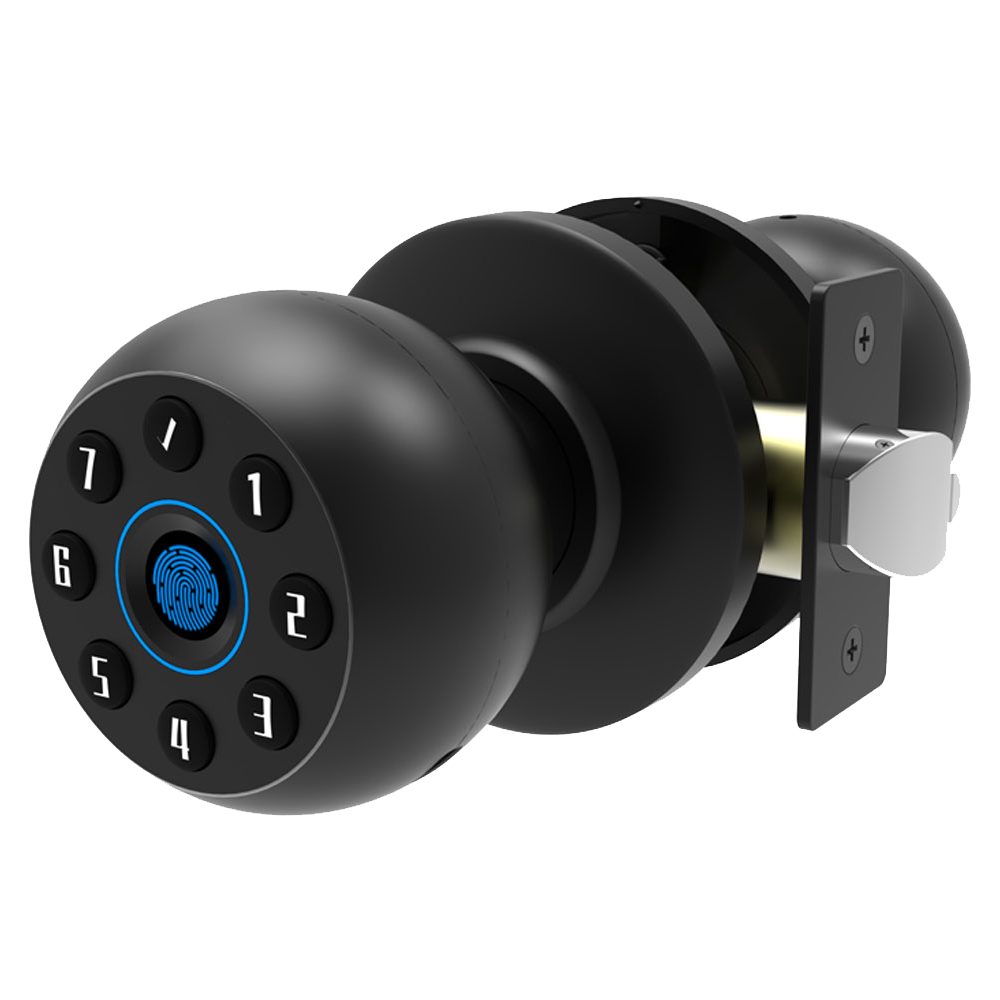
Picking the right smart glass door lock means balancing cost, entry style, and security tests. Sliding glass panel locks cover a range of prices and ways to get in. You can punch in a PIN code, scan a fingerprint, tap an RFID card, or open with your phone. And some use Bluetooth or Wi-Fi, while others join a smart hub with Z-Wave or Zigbee.
Look for ANSI/BHMA Grade 2 (a strength rating), UL 294 (an access control safety test), or AES-128 encryption (secure data scrambling). These badges show the lock held up under real tests. A long warranty also tells you the maker stands by their craft.
It’s tough to beat the Starlight Model X for most homes. At $349, it offers Bluetooth, Wi-Fi, and a biometric fingerprint sensor (a reader that checks your unique fingertip pattern). You can even send temporary codes through the app.
If you’re on a tighter budget, the CL4500 GD lands at $299. It holds up to 350 users, glows under a backlit 12-button keypad, and wears a Codelocks clean coating (an antibacterial finish).
Assa Abloy’s surface-mounted model rings in at $420. It adds AES-128 encryption for wireless locks, logs every entry online, and includes a three-year warranty.
Dormakaba’s FH 100 sits at $500 – trading price for a one-grip fingerprint reader (semiconductor sensor for instant access). Just know it needs a constant internet connection for remote management.
| Model | Price | Access Methods | Certifications |
|---|---|---|---|
| Starlight Model X | $349 | Bluetooth, Wi-Fi, Fingerprint scanner, Temporary-code app | ANSI/BHMA Grade 2, UL 294 |
| CL4500 GD | $299 | PIN code, RFID card, Smartphone app | CE certified, Codelocks clean coating |
| Assa Abloy Surface-Mounted | $420 | PIN code, RFID card, Smartphone app | AES-128 encryption, Three-year warranty |
| Dormakaba FH 100 | $500 | Fingerprint scanner, Smartphone app | Semiconductor sensor, Continuous internet |
User Experiences and Case Studies for Smart Glass Door Locks
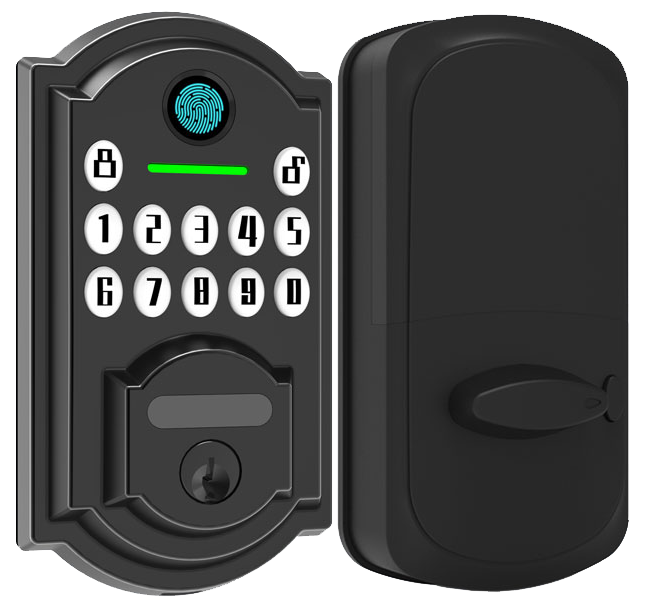
In a busy coworking lounge, our Commercial Lobby Transparent Door Latch (a clear-door lock for high-traffic entrances) hugs the sleek glass walls with its smooth metal faceplate. For six months, it never misfired. Um, no jammed latch. No false lock.
Adding a new user took less than five minutes on the app. Just tap add, type the name, and voilà, access granted. Let me rephrase that. It’s that smooth.
In a boutique hotel, they paired our Hotel Room Glass Entrance Lock (a lock that syncs with Apple HomeKit) with guest smartphones. A tap on an iPhone sent a soft LED glow across the faceplate and a reassuring click as the lock released. Front-desk check-ins dropped by 40 percent, so staff had more time for coffee chats instead of key cards. Housekeepers got temporary codes that expired at checkout, keeping rooms private.
At a trendy retail store, management tested our Retail Storefront Automated Entry Lock (a sliding-glass door lock with timed passcodes) on their main entrance. Delivery drivers punched in one-time codes valid only during drop-off hours and sailed right through. Unauthorized entries fell by 70 percent in just one month. Now managers review a time-stamped audit trail in the app. No more ’Who left the door ajar’ moments.
Maintenance, Troubleshooting, and Firmware Updates for Smart Glass Door Locks
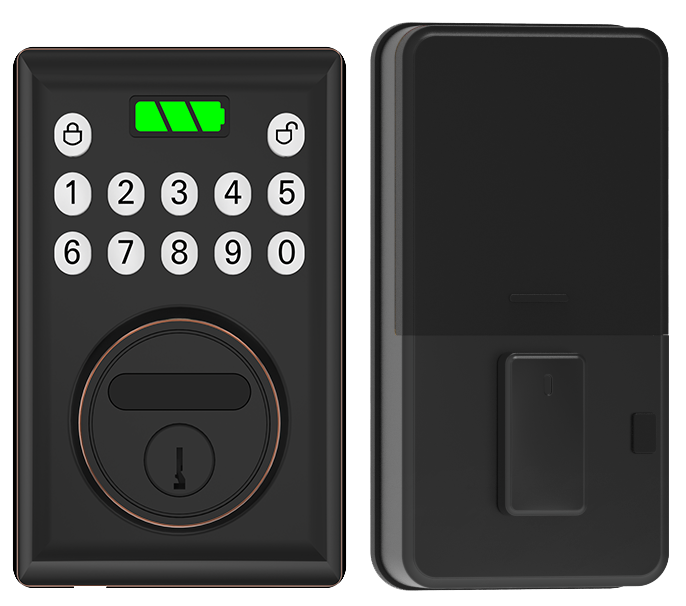
Think of your smart glass door lock (an electromechanical lock that uses electricity to move its parts) as a trusty guard that needs a little TLC. Check its AA batteries every month and swap them out before you see the low-power warning at 3.2 V. Gently wipe the smooth metal faceplate and keypad to clear away dust or grime that can gum up the sensors. A quick peek at the soft LED glow gives you a reassuring "all good."
Over-the-air firmware patch (a software update inside your lock) brings security fixes and new features right to your door – no tools and no disassembly needed. Just open the mobile app or desktop utility, tap download, and let it install. These patches seal up vulnerabilities and can even add handy extras. Easy.
And if that update ever misfires, quick reset steps get you back on track. Press the tiny recessed button or use a paperclip in the pinhole to clear temporary codes but keep your admin settings. Hmm, want a tip? Always have a paperclip on hand for those small reset holes.
When trouble strikes, this short troubleshooting list can save the day:
- Sensor recalibration (follow the manual’s simple steps)
- Strike-plate realignment (loosen, nudge, then retighten screws)
- Wireless module reset (power-cycle the lock or re-pair via Bluetooth)
A little upkeep keeps your glass panels shining and your security rock steady.
Final Words
Right in the action we covered everything from core features and power options to panel fit and material grades for glass doors.
We then looked at control methods, install tips, tamper alerts, a side-by-side of top models, real case wins, and simple maintenance steps. You’ve got the full toolkit.
Here’s to smoother check-ins, fewer security scares, and seamless system ties with Smart Glass Door Locks. Enjoy better peace of mind!
FAQ
What are the best smart glass door locks and where can I find reliable reviews?
The best smart glass door locks combine sleek design with secure electromechanical access and support PIN, card, or smartphone controls. You can find in-depth reviews on top ecommerce platforms and specialist tech blogs.
How can I install a smart glass door lock without drilling?
You can mount clamp-style smart glass door locks that use adjustable grips and set screws to secure directly to frameless or panel doors, avoiding any glass drilling or permanent hardware modifications.
Which smart locks are designed for commercial glass doors?
Many commercial-grade smart locks feature ANSI/BHMA certifications, tamper sensors, and visitor code functions. Models from Starlight Hardwares, Yale, and Dormakaba provide robust access control for office lobbies and storefronts.
Is there a Yale smart lock compatible with glass doors?
Yale offers specialized smart glass door locks such as the YDG413A series that clamp onto 8–12 mm tempered glass panels, delivering keypad, card, and smartphone entry without any drilling.
What features do the YDG413A and Igloohome glass door locks offer?
Both the YDG413A and Igloohome smart locks support multiuser PIN, RFID card, and app-based access, plus temporary NetCode®-style codes, battery backup, and anti-tamper alerts for secure, hassle-free glass door entry.